
Travel Nurse Road Trip Essentials: Everything You Need for the Drive
Disclosure: Some links in this post are affiliate links. If you click through and make a purchase, we may earn a small commission at no extra cost to you. Learn more about how we make money.
The Open Road Is Part of the Job
Most travel nurses drive to their assignments. Some log a few hundred miles between neighboring states. Others cross the country, racking up thousands of miles in a single move. Over the course of a year, the average driving travel nurse covers more highway miles than many long-haul commuters see in five years.
That driving time is part of your job, even if it does not feel like it. The transition between assignments is when you are most vulnerable to breakdowns, fatigue, and the kind of small problems that become big ones when you are hundreds of miles from anyone you know. A flat tire at midnight in rural West Virginia hits differently when your start date is in forty-eight hours and your housing is three states away.
Proper preparation turns a stressful relocation drive into something that actually feels like a road trip. The right gear, the right planning, and the right mindset make the difference.
Safety and Emergency Gear
Safety gear is the foundation of road trip preparation. You hope you never use any of it, but when you need it, nothing else matters.
A portable jump starter is more useful than traditional jumper cables because it does not require a second vehicle. Modern lithium-ion jump starters are compact enough to fit in a glove box and powerful enough to start most passenger vehicles multiple times on a single charge. Keep it charged before every move.
A tire pressure gauge and a portable air compressor handle the most common roadside issue: low tires. Slow leaks, temperature changes, and long highway stretches can all drop your tire pressure below safe levels. A twelve-volt compressor that plugs into your car’s power outlet lets you reinflate a low tire without finding a gas station.
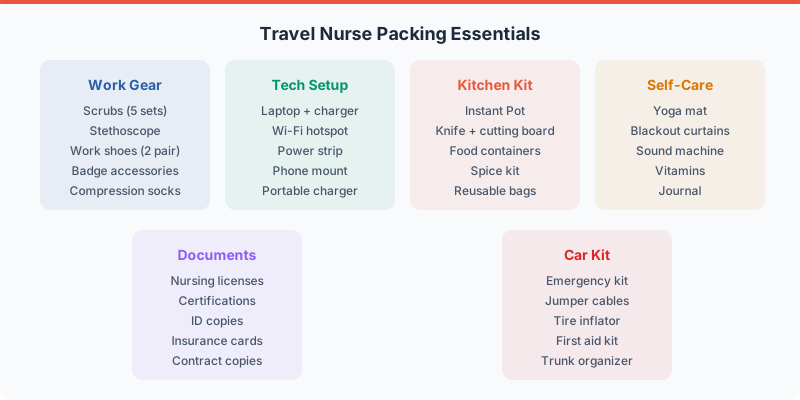
Beyond those two items, your emergency kit should include a working flashlight with extra batteries, reflective triangles or road flares, a basic first aid kit, an emergency blanket, a gallon of water, and a small car-rated fire extinguisher. Check every item before each move. Batteries die, first aid supplies expire, and gear shifts around in your trunk between assignments.
A roadside assistance membership rounds out your safety net. The annual cost is minimal compared to a single tow bill, and the peace of mind during long solo drives is significant.
Vehicle Preparation Before Each Move
Your car is your most critical piece of travel nurse equipment, and it needs maintenance to match the demands you put on it.
Before every assignment change, run through a pre-trip inspection. Check your oil level and condition. If you are within a thousand miles of your next oil change, get it done before the drive rather than scrambling to find a shop in a new city. Check all fluid levels: coolant, brake fluid, transmission fluid, power steering fluid, and windshield washer fluid.
Inspect your tires. Check the tread depth with the penny test and look for uneven wear that might indicate alignment issues. Verify that your spare tire is properly inflated and that you have the tools to change it. If your tires are due for rotation, get that done before the drive.
Test all lights: headlights on low and high beam, brake lights, turn signals, and hazard flashers. Replace wiper blades if they streak or skip. These are cheap, easy maintenance items that become critical in bad weather.
Finally, download offline maps for your entire route. Cell coverage is not guaranteed across rural stretches, and losing navigation mid-drive in an unfamiliar area adds stress you do not need.
Tech and Navigation
The right tech setup makes long drives safer and more enjoyable.
A sturdy phone mount is essential. Dashboard-mounted or vent-mounted options both work; choose based on your sightline preference and vehicle layout. The mount should hold your phone securely over bumps and turns without blocking your view of the road.
A multi-port car charger with both USB-A and USB-C outputs keeps your phone and other devices charged throughout the drive. If your car is older and lacks Bluetooth audio, a Bluetooth FM transmitter bridges the gap, letting you stream music, podcasts, and calls through your car speakers.
Consider a dash cam for your frequent highway driving. A forward-facing dash cam provides evidence in the event of an accident and records your drive for peace of mind. Basic models with loop recording and automatic incident detection are affordable and easy to install.
Download offline maps for your route before you leave, even if you expect cell coverage the entire way. Dead zones happen in places you do not expect, and losing navigation at a complex highway interchange is disorienting and dangerous.
Comfort for Long Drives
Multi-hour drives are physically demanding, and comfort items make a measurable difference in how you feel when you arrive.
A lumbar support cushion or seat cushion takes pressure off your lower back during long stretches. If you have ever arrived at a new assignment with a sore back before your first shift, you understand why this matters. Look for memory foam construction that provides support without raising your seating position too much.
Polarized sunglasses reduce glare from wet roads, oncoming headlights, and low-angle sun. They reduce eye fatigue significantly on long drives and are worth investing in if you do not already have a quality pair.
A car sunshade for your windshield protects your interior and keeps the cabin cooler when you stop for meals, rest breaks, or overnight stays. Keep a light blanket in the passenger seat for drives where the air conditioning runs cold, and wear comfortable driving shoes that are separate from your nursing shoes.
Road Trip Food and Hydration
What you eat on drive days directly affects how you feel when you arrive. Fast food at every exit adds up in cost and leaves you feeling sluggish. A little planning saves money and keeps your energy steady.
An insulated cooler is the centerpiece of road trip nutrition. A twelve-volt electric cooler that plugs into your car keeps food cold all day without ice, which means no melting mess and no need to find ice along the way. If a twelve-volt cooler is outside your budget, a quality insulated soft cooler with ice packs works nearly as well for single-day drives.
Pack healthy, energy-sustaining snacks the night before your drive: nuts and trail mix, fresh fruit, protein bars, cut vegetables with hummus, cheese and crackers, and jerky. These foods provide steady energy without the crash that comes from gas station candy and chips.
An insulated water bottle that fits in your car’s cup holder keeps water cold all day. Dehydration on long drives causes headaches, fatigue, and reduced alertness, all of which make driving less safe. Aim to drink steadily throughout the drive and refill at rest stops.
If your drive spans more than one meal, prep sandwiches or wraps before you leave. The twenty minutes of prep time saves you thirty minutes per fast food stop and keeps your energy more consistent.
Entertainment and Staying Alert
Long solo drives require mental engagement to maintain alertness. Silence is the enemy on hour eight of a ten-hour drive.
Podcasts and audiobooks are the top choice for most travel nurses. Download episodes and books before you leave so you are not dependent on cell coverage. Nursing podcasts, true crime, comedy, and long-form storytelling are popular categories among the travel nurse community. Library apps that offer free audiobook borrowing are worth setting up before your first long drive.
Pre-download music playlists for the same reason. Streaming over cellular data drains your battery and fails in dead zones. Having offline playlists ensures continuous music regardless of coverage.
Set up hands-free calling before you drive so you can stay connected with family, friends, or fellow travel nurses during the drive without handling your phone.
Staying alert is a safety issue, not just a comfort issue. Stop every two to three hours for a short walk, even if you do not feel tired. Drowsy driving is as dangerous as impaired driving, and the onset is often gradual enough that you do not notice until your reaction time is already compromised. If you catch yourself drifting, yawning repeatedly, or losing track of the last few miles, pull over immediately. A twenty-minute nap at a rest stop is always the right call.
Packing Your Car Efficiently
How you load your car matters for safety, accessibility, and sanity.
Heavy items go on the bottom and toward the front of the trunk. Light items go on top. Nothing should block your rearview mirror or sightlines through the rear and side windows. Secure loose items so they do not shift during braking or turns; a heavy box sliding forward during a sudden stop can cause injury.
A trunk organizer or cargo net keeps smaller items from scattering across the trunk. Collapsible bins work well for grouping items by category: kitchen gear in one bin, toiletries in another, clinical gear in a third.
Pack an “essentials bag” that stays within arm’s reach in the passenger seat or backseat. This bag should contain your phone charger, wallet, snacks, water, sunglasses, medications, and any documents you might need during the drive. Your first-night essentials bag, with toiletries, pajamas, and bedding, should be the last item loaded so it is the first thing you grab on arrival.
Driving With Pets
Many travel nurses travel with pets, and road trips with animals require additional planning.
Secure your pet properly in the vehicle. A crash-tested harness, a secured crate, or a car-specific pet carrier protects your animal in a sudden stop or accident. Unrestrained pets are a distraction and a safety risk for both you and the animal.
Plan stops every two to three hours for your pet to walk, stretch, drink water, and use the bathroom. Carry a collapsible water bowl and enough food for the drive plus a buffer day in case of delays. If your pet is prone to car sickness, talk to your vet about motion sickness remedies before the drive.
Find pet-friendly rest stops along your route before you leave. Not all rest areas allow dogs, and knowing where you can stop saves time and frustration.
Multi-Day Drive Planning
Drives longer than eight to ten hours are safer and more pleasant when split across multiple days.
Plan your route with overnight stops at roughly six to eight hours of driving per day. This gives you time to rest, eat a proper meal, and start the next day alert and refreshed. Booking hotels or rest stops in advance, especially during peak travel season, prevents the stress of searching for a room at ten o’clock at night in an unfamiliar town.
Budget for gas, meals, and one to two hotel nights for cross-country drives. Track mileage and expenses for tax purposes, because assignment-related travel may be deductible. A mileage tracking app that logs trips automatically takes the hassle out of this record-keeping.
Choose your departure time strategically. Leaving early in the morning avoids rush hour traffic in most metro areas and gives you the most daylight driving hours. Avoid starting long drives in the evening unless you are confident in your ability to stay alert through nighttime highway driving.
For a full breakdown of keeping your car organized and maintained, see our car essentials guide.
Frequently Asked Questions
How many miles per day should I plan for?
Four hundred to five hundred miles per day is a comfortable pace for most solo drivers, accounting for stops, meals, and fatigue. Pushing beyond six hundred miles per day significantly increases fatigue risk and turns the drive from manageable to miserable. Plan your overnight stops at roughly six to eight hours of driving to arrive rested and alert.
Should I fly or drive to my next assignment?
Drive if the distance is under a thousand miles, if you need your car at the assignment, or if you are bringing bulky gear. Fly if the distance is long, if the assignment provides or does not require a car, or if you can ship your essentials ahead. Many nurses drive for most assignments and fly for distant short-term contracts. Factor in the cost of shipping gear versus fuel and hotel nights when making your decision.
How do I budget for the drive?
Estimate fuel cost using your car’s fuel economy and current gas prices along your route. Add fifty to one hundred dollars per hotel night, thirty to fifty dollars per day for food if you do not pack meals, and a buffer of one hundred to two hundred dollars for unexpected expenses. Track everything for tax documentation, as assignment-related travel may be deductible.
What if my car breaks down on the road?
Roadside assistance is your first call. Stay in your vehicle if possible, especially on highways, and use reflective triangles or hazard lights to alert other drivers. If the repair will take time, contact your recruiter to discuss any start-date implications early rather than waiting until you miss orientation. A portable jump starter and tire compressor can resolve the two most common roadside issues without waiting for help.
Can I expense my drive to the assignment?
Travel expenses between your tax home and your assignment may be deductible. Keep all receipts, log mileage with a tracking app, and consult a tax professional who specializes in travel nurse taxes. The IRS mileage deduction or actual expense method both have specific requirements, so professional guidance is important to ensure you claim correctly and maximize your deductions.
Key Takeaways
- Safety gear is non-negotiable. A portable jump starter, tire tools, and an emergency kit should be in your car before every move.
- Inspect your vehicle before every assignment change. Oil, tires, fluids, lights, and wipers are all simple checks that prevent roadside crises.
- Pack a cooler with healthy food and an insulated water bottle. You will save money, eat better, and arrive feeling better than a fast-food-fueled drive.
- Stop every two to three hours, even when you feel fine. Drowsy driving is dangerous, and regular breaks are the best prevention.
- Organize your car so essentials are accessible and heavy items are secured. A well-packed car is safer and less stressful to load and unload.
For the complete breakdown of everything to bring on your assignment, see our ultimate packing list.
Related Internal Links
Affiliate Placement Notes
- Portable jump starter affiliate link in safety section
- Cooler affiliate link (electric 12V cooler) in food section
- Phone mount, car charger, dash cam affiliate links in tech section
- Seat cushion and comfort items affiliate links
- Roadside assistance membership referral link
