
What to Pack for Travel Nurse Housing

Disclosure: Some links in this post are affiliate links. If you click through and make a purchase, we may earn a small commission at no extra cost to you. Learn more about how we make money.
Introduction
“Furnished” does not mean fully equipped. This is the lesson nearly every travel nurse learns during their first assignment, usually while standing in a kitchen with no decent knife, staring at a bed with a mattress that feels like a pool float, and realizing there are no blackout curtains for their first night shift.
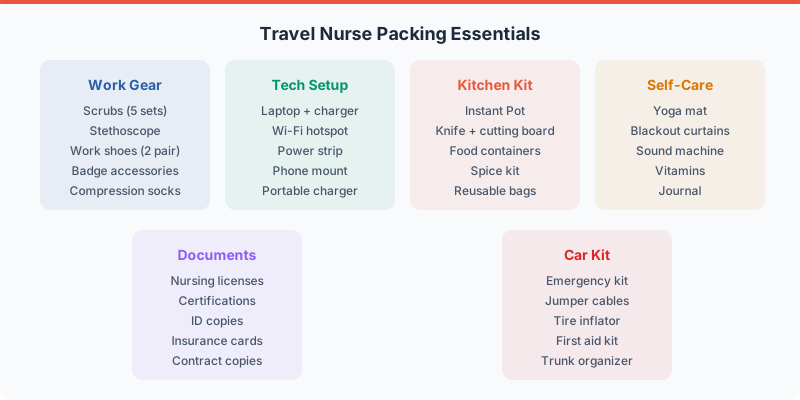
The most experienced travel nurses have their packing down to a science. They carry a curated set of essentials that transforms any generic furnished rental into a functional, comfortable home within an hour of arrival. They know exactly what to bring, what to skip, and what to buy locally and donate when they leave.
This list is built from that collective wisdom. It covers every room in your temporary housing, prioritizes the items that have the biggest impact on your daily comfort, and helps you avoid the two biggest packing mistakes: bringing too little and showing up unprepared, or bringing too much and dreading every move.
For a broader overview of all the gear you need as a travel nurse (clinical, personal, and housing), check our complete travel nurse packing list.
Kitchen Essentials
The kitchen is where packing smart pays off the most. Furnished rental kitchens typically include a stove, refrigerator, microwave, and a random assortment of dull knives, scratched pans, and mismatched plates. You can cook with what is provided, but you will cook better and more consistently with a few key items from home.
A good chef’s knife and a small cutting board. This is the single biggest quality-of-life upgrade for any furnished kitchen. The knives in rental drawers are universally terrible. A sharp 8-inch chef’s knife and a compact cutting board take up almost no packing space and make meal prep dramatically faster and more enjoyable.
A favorite pan or pot. If you have a go-to skillet or saucepan that you love cooking with, bring it. The provided cookware is often warped, coated in years of buildup, or too small to be useful. One good 10-inch nonstick pan covers 80 percent of your cooking needs.
A reusable water bottle and travel coffee mug. You already use these at work. Make sure they travel with you. Staying hydrated during 12-hour shifts starts with having your bottle ready at home.
A basic spice kit in small containers. Salt, pepper, garlic powder, onion powder, cumin, paprika, and red pepper flakes in travel-size containers weigh almost nothing and save you from buying full-size bottles at every assignment. A small spice organizer keeps them together.
Dish towels and a sponge. Do not count on these being provided. Bring two or three dish towels and a fresh sponge. The ones left by previous tenants are best thrown away on arrival.
Meal prep containers. A set of 10 to 12 glass or BPA-free containers for packing shift meals. If you are serious about meal prepping, these are non-negotiable.
An Instant Pot or air fryer. This is the single appliance most veteran travel nurses swear by. An Instant Pot handles rice, soups, stews, proteins, and even yogurt in one compact device. An air fryer cooks almost anything quickly with minimal cleanup. Pick one and bring it to every assignment.
Bedroom and Sleep Essentials
Sleep is the foundation of everything. Your ability to perform safely during 12-hour shifts, recover on your days off, and maintain your mental health over a 13-week assignment depends on the quality of your rest. This is where you invest without hesitation.
Your own pillow. Never trust a furnished rental pillow. Bring your own, the one you sleep on every night, the one your neck knows. This is the number one recommendation from every experienced travel nurse, and for good reason.
A mattress topper. Furnished rental mattresses range from mediocre to genuinely bad. A 2 to 3 inch memory foam or gel topper transforms even a cheap mattress into something you can actually sleep on. Rollable toppers pack into a carrying bag for transport.
Your own sheets and a lightweight blanket. Bring a fitted sheet set in queen size (the most common rental bed size) and a lightweight blanket or comforter. You know these are clean, you know the thread count, and you do not have to wonder about the previous tenant.
Blackout curtains or a sleep mask. If you work night shifts, this is non-negotiable. Portable blackout curtains attach with suction cups or Velcro and block enough light to simulate nighttime. A quality sleep mask is the backup option and takes up zero packing space.
A white noise machine or app. Thin apartment walls, street noise, and noisy neighbors are the enemy of day sleeping. A compact white noise machine like the LectroFan or Dohm drowns out disruptions and creates a consistent sleep environment at every assignment.
A small fan. Serves double duty as temperature control and ambient noise. Useful in rentals where you cannot control the thermostat or when the HVAC is too loud or too quiet.
Bathroom Must-Haves
Keep this category simple. Bring the essentials that you do not want to buy repeatedly and that affect hygiene and comfort.
A shower curtain liner. An astonishing number of furnished rentals either do not have one, or have one that should have been replaced months ago. A fresh liner costs a few dollars, weighs nothing, and is worth bringing for peace of mind.
Your own towels. Bring at least two bath towels and two washcloths. Furnished rental towels are often thin, scratchy, and of questionable cleanliness. Your own towels are one of those small comforts that make a rental feel more like home.
A toiletry organizer. A hanging toiletry bag that moves easily between assignments keeps everything together and unpacks in seconds. This is especially valuable if you are sharing a bathroom or moving frequently.
A first-aid kit with basics. Band-aids, ibuprofen, antacids, allergy medication, and anything you take regularly. As a nurse, you already know the value of having these on hand without a pharmacy run.
Work and Technology
Your professional life does not stop at the hospital door. Charting, continuing education, job searching, and credential management all happen from your temporary home.
Laptop and charger. Essential for charting from home (if your facility allows it), completing CEUs, and managing your career between shifts.
Phone charger and a long charging cable for the bedside. Outlets in furnished rentals are never where you need them. A 10-foot cable solves this permanently.
A portable Wi-Fi hotspot. Backup for unreliable rental internet. Some assignments will have great Wi-Fi. Others will not. A hotspot on your phone plan or a dedicated device ensures you are never without connectivity when you need to chart or submit paperwork.
A surge protector and power strip. Outlets in older rentals are limited and poorly placed. A compact power strip with surge protection lets you set up a charging station wherever you need one and protects your electronics.
A small desk lamp. If you need to study, do paperwork, or chart in the evening, a dedicated light source at your workspace makes a significant difference. USB-powered LED desk lamps are compact and effective.
Comfort and Mental Health
These items might seem optional, but veteran travel nurses rank them as essential. The emotional toll of constantly living in temporary spaces is real, and small comforts make a measurable difference.
Photos, a small plant, or a candle. Something personal that you set up the moment you arrive. It signals to your brain that this is your space, not just a rental. A framed photo of family or friends, a small succulent, or a candle in your favorite scent takes seconds to unpack and shifts the entire feel of a room.
A yoga mat or resistance bands. Exercise in small spaces is important, especially when you do not have a gym membership or the energy to find one after a shift. A mat and bands give you enough tools for stretching, strength training, and stress relief without leaving the apartment.
A Bluetooth speaker. Music while cooking, podcasts while cleaning, ambient sound while relaxing. A small, portable speaker improves every quiet evening in a temporary home.
A cozy throw blanket. Your one signature comfort item. Drape it over the couch, use it on the bed, wrap up in it on a day off. It is familiar, it is yours, and it makes any space feel warmer.
Books, a journal, or hobby supplies. Whatever you do to decompress and recharge. Bring something that reminds you that you are a person with interests, not just a nurse filling a contract.
What NOT to Pack
Just as important as knowing what to bring is knowing what to leave behind. Over-packing makes every move miserable and clutters the small spaces you are living in.
Full sets of dishes and cookware. Most furnished rentals provide these. They may not be great, but they are functional. Your one good knife and one good pan are enough to supplement.
Bulky furniture or decor. Resist the urge to bring a standing mirror, a full-length bookshelf, or large artwork. See our portable furniture guide for compact alternatives that actually travel well.
Excessive clothing. Pack for two weeks of work and casual wear, then do laundry. You do not need a full seasonal wardrobe for a 13-week assignment.
Anything you can buy cheaply at the destination and donate when you leave. Paper towels, cleaning supplies, basic pantry staples, and bathroom items like soap and shampoo are not worth the packing space. Buy them at a Dollar Tree or Walmart on arrival and leave them for the next tenant or donate them when you leave.
Pro Packing Tips From Veteran Travel Nurses
Use clear bins instead of cardboard boxes. You can see what is inside without opening them, they stack neatly in a car, and they last for years across dozens of assignments. Label each bin by room (kitchen, bedroom, bathroom) for fast unpacking.
Keep a permanent “go-bag” that stays packed between assignments. This contains your pillow, sheets, shower curtain liner, toiletry bag, and first-night essentials. When you get a new assignment, this bag is ready before you even think about packing.
Ship heavy items ahead. If you are flying to your assignment or your car is already full, USPS flat-rate boxes and UPS are affordable ways to send your Instant Pot, books, or other heavy items to your new address.
Take photos of your setup at each assignment. Document how you arrange your kitchen, bedside table, and workspace. Over time, you will develop a system that you can replicate in minutes at every new rental.
Invest in quality over quantity. One excellent knife beats five mediocre ones. One quality mattress topper beats three thin blankets. Spend money on the items you use every day and skip the rest.
Key Takeaways
- Always bring your own pillow, sheets, and a mattress topper. Sleep quality directly affects your performance and well-being.
- A small kitchen essentials kit (knife, pan, spice kit, Instant Pot) saves money through meal prepping and improves your daily nutrition.
- Blackout curtains or a sleep mask are non-negotiable for night shift nurses. Invest in good sleep hygiene tools.
- Pack light but strategic. Comfort items like a throw blanket, photos, and a speaker matter more than you think for mental health.
- Keep a master packing checklist and refine it after each assignment. Our what to bring to a furnished rental guide has additional detail on every category.
- Use the housing checklist to confirm what your rental provides before you pack.
Related Internal Links
- Travel Nurse Housing Guide
- Travel Nurse Housing Checklist
- What to Bring to a Furnished Rental
- Portable Furniture for Travel Nurses
- Travel Nurse Packing List
- Travel Nurse Meal Prep Guide
Affiliate Placement Notes
- Chef’s knife affiliate link in kitchen section
- Instant Pot affiliate link in kitchen section
- Mattress topper and blackout curtains affiliate links in bedroom section
- White noise machine affiliate link in bedroom section
- Bluetooth speaker affiliate link in comfort section
- Clear storage bins affiliate link in packing tips section
- Surge protector affiliate link in technology section
