
Travel Nurse Housing in Raleigh, North Carolina: Complete Guide

Disclosure: Some links in this post are affiliate links. If you click through and make a purchase, we may earn a small commission at no extra cost to you. Learn more about how we make money.
Raleigh is the capital of North Carolina and part of the Research Triangle alongside Durham and Chapel Hill. The region’s strong academic institutions and growing tech sector have created a thriving healthcare market with excellent quality of life, moderate costs, and a welcoming Southern atmosphere.
The Triangle region is home to Duke Health, UNC Health, and WakeMed Health. These three systems operate multiple hospitals and create one of the strongest healthcare markets in the Southeast, with consistent travel nurse demand.
Whether you are heading to Raleigh for your first travel nursing assignment or returning for another contract, this guide will help you navigate the housing market, understand what to expect from local costs, and find a neighborhood that fits your needs. Raleigh has a lot to offer travel nurses, and a little planning goes a long way toward making your assignment a success.
Major Hospitals and Health Systems
Raleigh is home to several major hospitals and health systems that consistently hire travel nurses across a wide range of specialties. Knowing which facilities are in the area helps you plan your housing search around commute times and gives you a sense of where demand is concentrated.
WakeMed Raleigh Campus — Raleigh’s primary hospital and a Level I trauma center. WakeMed is the largest hospital system based in Wake County with strong emergency and cardiac programs.
Duke Raleigh Hospital — A Duke Health facility in Raleigh offering comprehensive medical and surgical services with the Duke name’s clinical excellence.
UNC REX Healthcare — Part of UNC Health, Rex Hospital in Raleigh provides a full range of services and is one of the busiest hospitals in the region.
Duke University Hospital (Durham) — Just 30 minutes away, Duke University Hospital is one of the top-ranked hospitals in the country and a major employer of travel nurses.
Travel nurse demand in Raleigh is generally strong, with ICU, ED, med-surg, and telemetry being among the most frequently requested specialties. Contract availability tends to be strong year-round, though demand typically peaks during winter flu season and summer months. If you are flexible on specialty or shift, you will have even more options to choose from in this market.
Best Neighborhoods for Travel Nurses
Choosing the right neighborhood is one of the most important decisions you will make during your Raleigh assignment. Where you live affects your commute, your safety, your access to amenities, and ultimately your quality of life for the duration of your contract. Here are the top neighborhoods that travel nurses should consider when searching for housing in Raleigh.
Downtown Raleigh
A walkable downtown with Fayetteville Street restaurants, the warehouse district nightlife, and several museums. It is close to WakeMed.
Pros: Walkable, excellent dining, close to WakeMed, cultural attractions, First Friday events
Cons: Higher rents, limited parking, noisy on weekends, construction ongoing
North Hills
A mixed-use development with upscale shopping, dining, and modern apartments. It has become one of Raleigh’s most popular areas.
Pros: Walkable mixed-use development, modern apartments, excellent dining, convenient shopping
Cons: Higher rents, commercial atmosphere, car needed for hospital commutes, can feel generic
Five Points and Mordecai
Historic neighborhoods near downtown with charming homes, local shops, and a strong community feel.
Pros: Charming character, walkable to Five Points shops, close to downtown, residential calm
Cons: Higher rents, limited furnished options, older housing stock, quiet nightlife
Cary
A large suburb west of Raleigh known for its safety, family-friendly atmosphere, and proximity to RDU airport.
Pros: Very safe, family-friendly, good schools, close to RDU airport, moderate rents
Cons: Suburban feel, car-dependent, limited nightlife, farther from downtown Raleigh hospitals
When choosing where to live, prioritize keeping your commute under 30 minutes whenever possible. Raleigh is car-dependent with limited bus service. The Triangle region sprawls, and commutes between Raleigh, Durham, and Chapel Hill can take 30 to 45 minutes. Choose housing based on your specific hospital location. If you are unfamiliar with the area, connect with other travel nurses who have worked in Raleigh through Facebook groups or online forums to get firsthand recommendations on neighborhoods.
Average Housing Costs
Housing costs in Raleigh are roughly in line with the national average. Here is a general overview of what you can expect to pay for rental housing in the area. Keep in mind that prices vary by neighborhood, season, and the specific amenities included with the unit.
- Studio apartment: $900 to $1,400 per month
- One-bedroom apartment: $1,100 to $1,750 per month
- Furnished apartment (travel nurse friendly): $1,350 to $2,100 per month
Raleigh offers good value for a growing city. Furnished apartments are available, and the market is less competitive than larger metros. The Triangle region gives you access to hospitals across three cities, so consider your commute carefully.
Many travel nurses in Raleigh find their housing through Furnished Finder , which connects healthcare travelers with landlords who specifically offer furnished, short-term rentals designed for assignment-length stays. It is one of the most widely used housing platforms in the travel nursing industry and an excellent starting point for your search. You can also explore local Facebook groups, Craigslist, and extended-stay hotels to compare your options and find the best fit for your budget and preferences.
GSA Stipend Rate
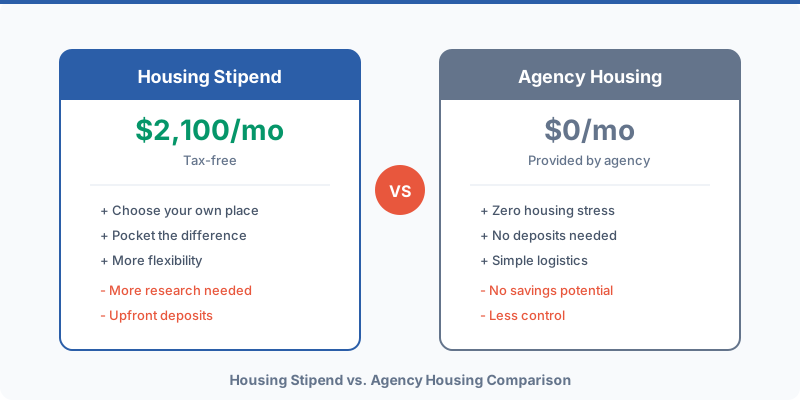
The General Services Administration publishes per diem rates that many travel nursing agencies use as a baseline for calculating housing and meals and incidentals stipends. The GSA rate for the Raleigh, NC area varies by time of year, with higher rates typically applying during peak travel seasons and lower rates during off-peak months.
It is essential to check the current GSA per diem rate for your specific assignment dates and location, as rates are updated annually each October and can change significantly from year to year. You can look up the exact rate on the GSA website or ask your recruiter for the figures they are using to calculate your pay package. Keep in mind that your actual stipend may differ from the published GSA rate depending on your agency’s internal pay structure and policies.
Understanding how your stipend fits into your total compensation is key to evaluating any travel nursing contract. For help breaking down the numbers, use our pay calculator to compare packages side by side and see your estimated take-home pay after taxes, stipends, and deductions.
Housing Tips for Raleigh
Every city has its own quirks and considerations when it comes to finding and securing travel nurse housing. Here are tips specific to Raleigh that will help you avoid common pitfalls, stretch your housing stipend further, and settle in more quickly.
-
North Carolina is a compact state — NC participates in the Nurse Licensure Compact, simplifying licensing for compact-state nurses.
-
The Triangle offers variety — Living in Raleigh gives you access to Duke in Durham and UNC in Chapel Hill. The region offers the amenities of a much larger metro while maintaining a smaller-city feel.
-
Four seasons with mild winters — Raleigh has mild winters compared to the Northeast and Midwest, with occasional snow but generally temperate conditions.
-
The food scene is growing rapidly — Raleigh’s restaurant scene has exploded in recent years, with excellent options in downtown, North Hills, and the growing Warehouse District.
For a comprehensive overview of the housing search process from start to finish, including how to spot scams and negotiate lease terms, check out our complete travel nurse housing guide. It covers everything you need to know regardless of which city you are heading to.
Cost of Living Overview
Raleigh has a cost of living roughly at the national average, offering good value for a growing Southern tech hub. Groceries are at national norms. Gas is moderate. Dining out is affordable with an expanding restaurant scene.
When budgeting for your Raleigh assignment, factor in all of your regular expenses beyond rent. Harris Teeter, Food Lion, and Aldi offer competitive grocery prices. Raleigh’s downtown and Warehouse District have excellent restaurants at reasonable prices. The many state parks and greenway trails provide free outdoor recreation. Tracking your spending during the first two weeks of your assignment will give you a realistic picture of your monthly costs and help you adjust your budget accordingly.
Things to Do on Days Off
One of the greatest perks of travel nursing is the opportunity to explore a new city on your days off. Raleigh has plenty to offer whether you prefer outdoor adventures, cultural experiences, or simply relaxing and recharging between shifts.
- North Carolina Museum of Art — A 164-acre campus with a world-class art collection and an outdoor park with walking trails and large-scale sculptures. Admission to the permanent collection is free.
- William B. Umstead State Park — Over 5,500 acres of forested trails for hiking, mountain biking, and fishing just minutes from downtown Raleigh.
- Durham Food Scene — Drive 30 minutes to Durham for one of the best food cities in the South, with everything from James Beard-winning restaurants to legendary Durham Bulls baseball.
- North Carolina Beaches — The Outer Banks and Wrightsville Beach are three to four hours away for a weekend beach getaway.
Take full advantage of your time in Raleigh. Exploring the local culture, trying restaurants you have never heard of, and visiting nearby attractions are what make travel nursing more than just a paycheck. Many travel nurses find that their days off are when they truly fall in love with a new city.
Final Thoughts
Raleigh, North Carolina offers travel nurses a growing healthcare market in the vibrant Research Triangle with moderate costs, mild weather, and access to world-class hospitals at Duke, UNC, and WakeMed. With WakeMed Health, Duke Health, and UNC Health and a average cost of living, it is a market well worth considering whether you are a first-time traveler or a seasoned veteran looking for your next destination.
Start your housing search as early as possible, ideally four to six weeks before your assignment start date. The best furnished rentals tend to go quickly, especially in popular neighborhoods near major hospitals. Furnished Finder is an excellent resource for finding travel nurse housing in Raleigh, and joining local travel nurse social media groups can give you insider tips and real-time availability updates.
For more resources on finding and securing great travel nurse housing anywhere in the country, explore our complete housing guide. And when you are comparing pay packages for Raleigh assignments, our pay calculator can help you break down the numbers and understand your true compensation.
We wish you the best on your Raleigh assignment. It is a great place to be a travel nurse.
