
Travel Nurse Housing in Charleston, South Carolina: Complete Guide

Disclosure: Some links in this post are affiliate links. If you click through and make a purchase, we may earn a small commission at no extra cost to you. Learn more about how we make money.
Charleston is one of the most beautiful and historic cities in America, with cobblestone streets, antebellum architecture, and a legendary food scene. Travel nurses find a strong healthcare market in this picturesque Lowcountry city with mild winters and a warm, welcoming culture.
Charleston’s healthcare is led by the Medical University of South Carolina (MUSC) and Roper St. Francis Healthcare. MUSC is the state’s only academic medical center and a major referral center.
Whether you are heading to Charleston for your first travel nursing assignment or returning for another contract, this guide will help you navigate the housing market, understand what to expect from local costs, and find a neighborhood that fits your needs. Charleston has a lot to offer travel nurses, and a little planning goes a long way toward making your assignment a success.
Major Hospitals and Health Systems
Charleston is home to several major hospitals and health systems that consistently hire travel nurses across a wide range of specialties. Knowing which facilities are in the area helps you plan your housing search around commute times and gives you a sense of where demand is concentrated.
MUSC Health - University Hospital — South Carolina’s only academic medical center and a Level I trauma center with nationally ranked programs in multiple specialties.
Roper Hospital — A large community hospital in downtown Charleston known for cardiac care and comprehensive medical services.
Bon Secours St. Francis Hospital — A community hospital in West Ashley with emergency and surgical services.
MUSC Children’s Hospital — The region’s pediatric specialty hospital providing comprehensive children’s healthcare.
Travel nurse demand in Charleston is generally strong, with ICU, ED, med-surg, and telemetry being among the most frequently requested specialties. Contract availability tends to be strong year-round, though demand typically peaks during tourist season in spring and fall, and winter flu season. If you are flexible on specialty or shift, you will have even more options to choose from in this market.
Best Neighborhoods for Travel Nurses
Choosing the right neighborhood is one of the most important decisions you will make during your Charleston assignment. Where you live affects your commute, your safety, your access to amenities, and ultimately your quality of life for the duration of your contract. Here are the top neighborhoods that travel nurses should consider when searching for housing in Charleston.
Downtown Charleston (South of Broad and Harleston Village)
Historic downtown with stunning architecture, world-class restaurants, and walkable streets near MUSC and Roper.
Pros: Stunningly beautiful, walkable, close to MUSC and Roper, world-class dining
Cons: Expensive rents, limited parking, tourist crowds, humidity in summer
Park Circle (North Charleston)
A revitalized neighborhood with a growing restaurant and bar scene centered around a village-like park.
Pros: Growing dining scene, more affordable than downtown, community park, eclectic character
Cons: Farther from downtown hospitals, some surrounding areas need awareness, limited transit
Mount Pleasant
A large suburb east of Charleston across the Cooper River with beaches, shopping, and the Shem Creek restaurant row.
Pros: Safe, beaches nearby, Shem Creek dining, family-friendly
Cons: Higher rents, Ravenel Bridge commute to downtown, car-dependent, suburban
West Ashley
Suburban area west of downtown with affordable housing and the West Ashley Greenway trail.
Pros: Affordable, Greenway trail, close to downtown via Ashley River bridge, moderate rents
Cons: Suburban feel, car-dependent, flood risk in some areas, limited walkability
When choosing where to live, prioritize keeping your commute under 30 minutes whenever possible. Charleston is car-dependent. Bridge commutes over the Cooper and Ashley Rivers can add significant time. CARTA bus service is limited. Live on the same side of the water as your hospital. If you are unfamiliar with the area, connect with other travel nurses who have worked in Charleston through Facebook groups or online forums to get firsthand recommendations on neighborhoods.
Average Housing Costs
Housing costs in Charleston are slightly above the national average. Here is a general overview of what you can expect to pay for rental housing in the area. Keep in mind that prices vary by neighborhood, season, and the specific amenities included with the unit.
- Studio apartment: $1,000 to $1,600 per month
- One-bedroom apartment: $1,200 to $1,900 per month
- Furnished apartment (travel nurse friendly): $1,500 to $2,400 per month
Charleston’s downtown is expensive but beautiful. West Ashley and North Charleston offer more affordable options. Start searching early as furnished rentals in desirable areas go quickly.
Many travel nurses in Charleston find their housing through Furnished Finder , which connects healthcare travelers with landlords who specifically offer furnished, short-term rentals designed for assignment-length stays. It is one of the most widely used housing platforms in the travel nursing industry and an excellent starting point for your search. You can also explore local Facebook groups, Craigslist, and extended-stay hotels to compare your options and find the best fit for your budget and preferences.
GSA Stipend Rate
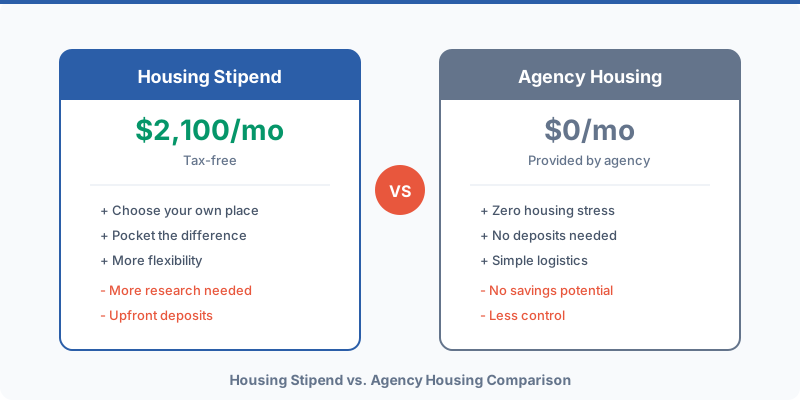
The General Services Administration publishes per diem rates that many travel nursing agencies use as a baseline for calculating housing and meals and incidentals stipends. The GSA rate for the Charleston, SC area varies by time of year, with higher rates typically applying during peak travel seasons and lower rates during off-peak months.
It is essential to check the current GSA per diem rate for your specific assignment dates and location, as rates are updated annually each October and can change significantly from year to year. You can look up the exact rate on the GSA website or ask your recruiter for the figures they are using to calculate your pay package. Keep in mind that your actual stipend may differ from the published GSA rate depending on your agency’s internal pay structure and policies.
Understanding how your stipend fits into your total compensation is key to evaluating any travel nursing contract. For help breaking down the numbers, use our pay calculator to compare packages side by side and see your estimated take-home pay after taxes, stipends, and deductions.
Housing Tips for Charleston
Every city has its own quirks and considerations when it comes to finding and securing travel nurse housing. Here are tips specific to Charleston that will help you avoid common pitfalls, stretch your housing stipend further, and settle in more quickly.
-
South Carolina is a compact state — SC participates in the Nurse Licensure Compact, simplifying licensing.
-
Bridge traffic is real — Crossing the Ravenel Bridge or Ashley River bridges during rush hour can add 20 to 30 minutes. Live on the same peninsula as your hospital if possible.
-
Hurricane season — Charleston is vulnerable to hurricanes from June through November. Know evacuation routes and hospital emergency policies.
-
The food scene is world-class — Charleston has one of the best restaurant scenes in the country. Budget extra for dining because you will want to try everything.
For a comprehensive overview of the housing search process from start to finish, including how to spot scams and negotiate lease terms, check out our complete travel nurse housing guide. It covers everything you need to know regardless of which city you are heading to.
Cost of Living Overview
Charleston has an above-average cost of living driven by housing costs and tourism demand. Groceries are at national norms. Gas is moderate. Dining ranges from affordable Lowcountry spots to nationally acclaimed fine dining.
When budgeting for your Charleston assignment, factor in all of your regular expenses beyond rent. Harris Teeter and Publix are popular grocery options. Charleston’s food scene is incredible but can be expensive downtown. Look for less touristy neighborhoods for better dining value. Tracking your spending during the first two weeks of your assignment will give you a realistic picture of your monthly costs and help you adjust your budget accordingly.
Things to Do on Days Off
One of the greatest perks of travel nursing is the opportunity to explore a new city on your days off. Charleston has plenty to offer whether you prefer outdoor adventures, cultural experiences, or simply relaxing and recharging between shifts.
- Historic Downtown Walking — Walk the cobblestone streets, visit Rainbow Row, tour historic homes, and soak in centuries of Southern history.
- Charleston City Market — A historic market with local artisans, sweetgrass basket weavers, and regional food products.
- Sullivan’s Island and Folly Beach — Beautiful barrier island beaches within 20 to 30 minutes of downtown for swimming, surfing, and sunsets.
- Lowcountry Food Trail — Explore Charleston’s legendary food scene from she-crab soup and shrimp and grits to James Beard Award-winning restaurants.
Take full advantage of your time in Charleston. Exploring the local culture, trying restaurants you have never heard of, and visiting nearby attractions are what make travel nursing more than just a paycheck. Many travel nurses find that their days off are when they truly fall in love with a new city.
Final Thoughts
Charleston, South Carolina offers travel nurses one of the most beautiful cities in America with a world-class food scene, historic charm, strong hospital systems, and Lowcountry beaches within easy reach. With MUSC Health and Roper St. Francis Healthcare and a above average cost of living, it is a market well worth considering whether you are a first-time traveler or a seasoned veteran looking for your next destination.
Start your housing search as early as possible, ideally four to six weeks before your assignment start date. The best furnished rentals tend to go quickly, especially in popular neighborhoods near major hospitals. Furnished Finder is an excellent resource for finding travel nurse housing in Charleston, and joining local travel nurse social media groups can give you insider tips and real-time availability updates.
For more resources on finding and securing great travel nurse housing anywhere in the country, explore our complete housing guide. And when you are comparing pay packages for Charleston assignments, our pay calculator can help you break down the numbers and understand your true compensation.
We wish you the best on your Charleston assignment. It is a great place to be a travel nurse.
