
Night Shift Nutrition: What to Eat and When
Disclosure: Some links in this post are affiliate links. If you click through and make a purchase, we may earn a small commission at no extra cost to you. Learn more about how we make money.
Introduction
Night shift changes the rules. Everything you thought you knew about eating — breakfast in the morning, dinner in the evening, sleeping when it’s dark — gets flipped upside down. Your body’s natural rhythms say one thing, but your schedule demands another. And if you just wing it, eating whatever’s available whenever you feel hungry, you’ll probably end up gaining weight, crashing at 3 AM, and feeling generally terrible.
The good news is that a strategic eating plan makes night shift sustainable. Not just tolerable — actually sustainable. I’ve worked blocks of night shifts on assignment where I felt better than some day-shift stretches, and the difference almost always came down to what and when I was eating. This guide breaks down the specifics so you can build a night shift nutrition plan that actually works.
How Night Shift Affects Your Metabolism
Your body runs on a circadian rhythm — a roughly 24-hour internal clock that regulates sleep, hormone release, body temperature, and digestion. When you work nights, you’re asking your body to be active during its programmed rest period. That disconnect has real metabolic consequences.
Insulin sensitivity drops at night. Your body is less efficient at processing carbohydrates during overnight hours. The same bowl of rice that fuels you during a day shift can spike your blood sugar more dramatically at 2 AM and leave you feeling sluggish.
Hunger hormones get confused. Ghrelin (the hunger hormone) and leptin (the satiety hormone) follow circadian patterns. Working nights disrupts those patterns, which is why you might feel ravenously hungry at odd hours or completely uninterested in food when you should be eating.
Digestive efficiency decreases. Your gut slows down at night. Heavy meals eaten during overnight hours are more likely to cause bloating, acid reflux, and general discomfort. This is your body telling you it expects to be sleeping, not digesting a large meal.
Weight gain is common but not inevitable. Studies show night shift workers are at higher risk for weight gain, but the mechanism is largely behavioral — eating the wrong foods at the wrong times, snacking out of boredom, and disrupted sleep affecting hunger hormones. With the right plan, you can avoid this pattern entirely.
Building a Night Shift Eating Schedule
The most important principle for night shift nutrition is this: treat your pre-shift meal as your main meal, and eat progressively lighter as the night goes on.
Here’s a sample schedule for a standard 7 PM to 7 AM shift:
4:00 to 5:30 PM — Pre-shift dinner (your largest meal) This is your anchor meal. Eat it one to two hours before your shift starts. It should be the most substantial meal of your 24-hour cycle.
11:00 PM to 12:30 AM — Mid-shift meal (moderate, protein-focused) About halfway through your shift, eat a moderate meal. Keep it lighter than your pre-shift dinner. Focus on protein and vegetables.
3:00 to 4:00 AM — Light snack (protein-rich, easy to digest) The 3 to 4 AM window is when most night shift nurses hit their lowest energy point. A protein-rich snack helps you push through without the crash of sugary options.
7:30 to 8:00 AM — Post-shift light meal (wind down) Within 30 to 60 minutes of getting home, eat something light to satisfy hunger without disrupting sleep.
Then sleep. Don’t graze all morning. Eat, wind down, and get into bed.
Pre-Shift Dinner: Your Most Important Meal
This meal sets the tone for your entire shift. Get it right, and the first five hours feel manageable. Get it wrong, and you’re fighting your body from the start.
What to include:
- A generous portion of lean protein (chicken, fish, turkey, tofu)
- Complex carbohydrates (sweet potato, brown rice, quinoa, whole grain pasta)
- Healthy fats (avocado, olive oil, nuts)
- Vegetables (roasted, steamed, or raw)
Example pre-shift dinners:
- Grilled chicken breast with roasted sweet potato and steamed broccoli
- Salmon with brown rice and a side salad with olive oil dressing
- Turkey and black bean burrito bowl with avocado and salsa
- Lentil curry over rice with naan bread (perfect from the Instant Pot)
- Pasta with lean ground turkey, marinara sauce, and a side of roasted vegetables
What to avoid:
- Very heavy, fried, or greasy meals that cause sluggishness
- High-sugar meals that spike blood sugar and guarantee a crash by 10 PM
- Spicy foods if you’re prone to heartburn (acid reflux worsens at night)
- Skipping this meal entirely, thinking you’ll eat on shift
Having your pre-shift dinner waiting when you wake up makes everything easier. A slow cooker meal set to finish before your alarm is a game-changer for night shift.
Mid-Shift Meal: Keep It Light
Your midnight or 1 AM meal is not dinner. Think of it as a substantial snack — enough to sustain you but not enough to make you drowsy.
Why lighter works better at midnight: Your body’s reduced insulin sensitivity at night means large, carb-heavy meals are processed less efficiently. They cause a bigger blood sugar spike, a bigger insulin response, and a bigger crash. Protein and vegetables are metabolized more steadily regardless of the time.
Ideal mid-shift meals:
- Turkey chili (high protein, moderate carbs, reheats perfectly)
- Chicken and vegetable stir-fry over a small portion of rice
- Greek salad with grilled chicken and a whole grain pita
- Egg muffins with vegetables (prep a batch during your weekly meal prep)
- Lentil soup with a slice of bread
Keep portions moderate. A container that’s about two-thirds the size of your pre-shift meal is the right target. You want to feel satisfied, not full. Full leads to sleepy, and sleepy at 1 AM when you still have six hours of charting and assessments is not where you want to be.
Meal prep makes this effortless. If your mid-shift meals are pre-portioned in containers, you grab one before your shift and you’re done. No decisions at midnight, no relying on whatever’s in the break room. Check the meal prep beginner guide for the full system.
Smart Snacking Through the Night
The 2 to 4 AM window is dangerous territory. Energy is at its lowest, willpower is depleted, and the vending machine is right there. Having the right snacks packed in your bag is the difference between powering through and eating a candy bar followed by regret.
Best overnight snacks:
- Nuts and seeds: Almonds, walnuts, or pumpkin seeds. High in protein and healthy fats. A small handful (about 1 ounce) provides steady energy.
- Greek yogurt: High protein, easy to eat quickly, and available in the break room fridge. Add a handful of granola if you need more substance.
- Cheese and crackers: Whole grain crackers with sliced cheese or individual cheese sticks.
- Apple with peanut butter: The combination of fiber, natural sugar, protein, and fat sustains energy better than any vending machine option.
- Protein bar: Keep one in your scrub pocket for emergencies. Look for bars with at least 15g protein and minimal added sugar.
- Hard-boiled eggs: Two eggs for 12g of protein, prepped during your weekly meal prep session.
What to avoid at 3 AM:
- Candy, chips, and vending machine snacks (sugar spike followed by a worse crash)
- Large meals (your body cannot efficiently process a full meal at this hour)
- Energy drinks (the caffeine will be in your system when you try to sleep at 8 AM)
Pre-portion everything. On your prep day, make five or six snack packs for the week. Small containers or zip-lock bags with individual servings of trail mix, cheese and crackers, or cut vegetables with hummus. When you pack your work bag, you grab a snack pack and go.
What to Eat After Your Shift
The post-shift meal is about transitioning to sleep, not refueling for activity. Your body needs just enough food to prevent hunger from waking you up, but not so much that digestion keeps you awake.
Ideal post-shift foods:
- A smoothie with protein powder, banana, and almond milk (easy to digest, provides protein)
- A small bowl of oatmeal with peanut butter (filling without being heavy)
- Whole grain toast with avocado and a fried egg (light but satisfying)
- A small portion of leftovers from your pre-shift dinner (if it was balanced)
- Greek yogurt with berries and a drizzle of honey
What to avoid after your shift:
- A full, heavy meal (steak dinner, a plate of pasta, a large fast-food order)
- High-sugar cereals or pastries (blood sugar spike will disrupt sleep)
- Anything caffeinated (obviously)
- The fast food drive-through on the way home (it’s tempting, but you’ll sleep worse and feel worse when you wake up)
Create a wind-down food ritual. Having a consistent post-shift routine signals to your body that sleep is coming. A cup of herbal tea (chamomile or valerian root) with a light snack, eaten in dim lighting, helps the transition. It’s the night-shift equivalent of a bedtime routine.
Hydration on Night Shift
Water intake goals. Aim for the same 64 to 80 ounces you’d drink on a day shift. The air in hospitals is often dry, especially in climate-controlled buildings, so dehydration creeps up on you.
Caffeine timing is critical. This is the single most impactful nutrition decision for night shift nurses. Have your coffee at the start of your shift (7 PM) and cut caffeine completely by 1 to 2 AM at the latest. Caffeine has a half-life of about five hours, so coffee at 2 AM means half the caffeine is still active at 7 AM when you’re trying to sleep. For more on building a smart coffee routine, see the travel nurse coffee setup guide.
Herbal tea after the caffeine cutoff. Peppermint tea is energizing without caffeine. Ginger tea aids digestion. Save chamomile for your post-shift wind-down.
Electrolytes help. Night shift nurses often feel drained even when they’ve slept well. Adding an electrolyte packet to one water bottle per shift helps maintain hydration and energy.
Avoid sugary drinks entirely. Soda, juice, and sweetened coffee drinks cause blood sugar fluctuations that are amplified at night. Stick to water, unsweetened tea, and black coffee (or coffee with a small amount of cream).
Avoiding Night Shift Weight Gain
Weight gain on night shift is common but not inevitable. Understanding the mechanisms helps you avoid the pattern.
Calorie awareness without obsessing. You don’t need to count every calorie, but be aware that night shift creates conditions that promote overeating: boredom, fatigue-driven snacking, irregular meal times, and the mistaken belief that you “need” more food because you’re awake longer. In reality, your caloric needs are about the same whether you work days or nights.
Meal timing matters more than meal restriction. Eating your biggest meal before your shift and progressively lighter meals through the night aligns better with your metabolic rhythms than eating a huge meal at midnight or grazing all night long.
The boredom eating trap. During slow overnight hours, eating becomes entertainment. Recognize this pattern. If you’re reaching for food and you’re not actually hungry, step away. Drink water, take a walk around the unit, or do something with your hands. The impulse usually passes.
Exercise on night shift. Even 20 to 30 minutes of exercise before your shift helps regulate appetite, improves sleep quality, and offsets some of the metabolic challenges of overnight work. You don’t need a full gym session — a brisk walk, a bodyweight workout, or a short yoga session does the job.
Sleep quality affects weight. Poor sleep increases ghrelin (hunger hormone) and decreases leptin (satiety hormone). Investing in blackout curtains, earplugs, and a consistent sleep schedule has downstream effects on your appetite and weight management. Check the travel nurse packing list for sleep gear recommendations.
Supplements for Night Shift Nurses
A few targeted supplements can support health during the specific challenges of night shift. Always consult with a healthcare provider before starting any supplement routine, but here’s what the research supports.
Vitamin D. Night shift nurses get significantly less sun exposure, and vitamin D deficiency is common in this population. Most night shift workers benefit from 1,000 to 2,000 IU of vitamin D3 daily, but get your levels checked to know your starting point.
Magnesium. Supports sleep quality and muscle recovery. Magnesium glycinate taken 30 to 60 minutes before bed can help improve sleep depth. Many nurses find this more helpful than melatonin for the day-sleeping challenge of night shift.
Melatonin (with caution). Melatonin can help reset your circadian rhythm when transitioning to night shift, but it’s not a long-term sleep solution. If you use it, take 0.5 to 3 mg about 30 minutes before your target bedtime. More is not better — higher doses can cause grogginess and disrupt natural melatonin production.
Probiotics. Circadian rhythm disruption affects gut health. A daily probiotic may help with the digestive issues that many night shift nurses experience, including bloating, irregular bowel movements, and acid reflux.
What the research says overall: No supplement replaces good nutrition, sleep hygiene, and a consistent eating schedule. Supplements fill gaps — they don’t compensate for a poor foundation.
Meal Prep Specifically for Night Shift
Night shift meal prep has different requirements than day shift prep. Your meals need to be lighter, more protein-focused, and work well when eaten at odd hours.
Prep lighter meals. Instead of large grain bowls, prep protein-and-vegetable combinations: chicken with roasted vegetables, turkey meatballs with a small side of rice, or shredded chicken salad with avocado.
Make snack packs for the week. Prep five or six individual snack bags with trail mix, cheese and crackers, or vegetables with hummus. These are your 3 AM lifeline.
Freezer-friendly options save you on tough weeks. Soups, chili, and stews freeze and reheat perfectly. Prep a batch during a day off and freeze in individual portions. On nights when you didn’t have time to cook, pull one from the freezer.
Foods that taste good cold or at room temperature. Not every break room has a microwave, and sometimes you don’t even make it to the break room. Greek salads, wraps, pasta salad, and grain bowls all taste good at room temperature.
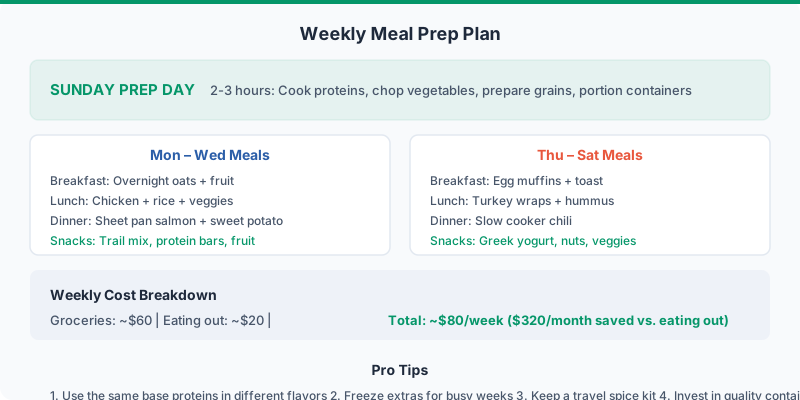
Night shift meal prep schedule. If you work three nights in a row (say, Thursday through Saturday), prep on Wednesday afternoon. Make your three pre-shift dinners, three mid-shift meals, a batch of snack packs, and your post-shift foods. Total prep time: about 2 hours.
Frequently Asked Questions
What should night shift nurses eat to stay awake?
Focus on protein-rich, low-glycemic foods that provide steady energy rather than sugar spikes followed by crashes. Ideal mid-shift meals include turkey chili, chicken and vegetable stir-fry, and lentil soup. For the 2 to 4 AM energy dip, snack on almonds, Greek yogurt, cheese and crackers, or an apple with peanut butter. Avoid candy, chips, and energy drinks, as the temporary boost is always followed by a worse crash that makes the last hours of your shift miserable.
How do I avoid gaining weight on night shift?
Weight gain on night shift is driven primarily by eating the wrong foods at the wrong times, snacking out of boredom, and poor sleep disrupting hunger hormones. The most effective strategy is to eat your biggest meal before your shift starts and progressively lighter meals through the night. Recognize boredom eating during slow overnight hours and substitute water, a walk around the unit, or an activity for reaching for food. Prioritizing sleep quality with blackout curtains and a consistent schedule also regulates appetite hormones.
When should I stop drinking coffee on night shift?
Cut caffeine completely by 1 to 2 AM at the latest for a standard 7 PM to 7 AM shift. Caffeine has a half-life of about five hours, meaning coffee at 2 AM leaves half the caffeine still active in your system at 7 AM when you are trying to fall asleep. Have your coffee at the start of your shift and switch to non-caffeinated options like peppermint tea or ginger tea after the cutoff. This single timing decision has the greatest impact on your ability to sleep after a night shift.
What should I eat after a night shift before sleeping?
Keep your post-shift meal light to prevent digestion from disrupting sleep. A smoothie with protein powder and banana, a small bowl of oatmeal with peanut butter, or whole grain toast with avocado and a fried egg are ideal choices. Avoid heavy meals like a full dinner plate, high-sugar cereals, and fast food from the drive-through. Eat within thirty to sixty minutes of getting home, then begin your wind-down routine to signal to your body that sleep is approaching.
Do night shift nurses need vitamin supplements?
Night shift nurses are at higher risk for vitamin D deficiency due to significantly reduced sun exposure. Most benefit from one thousand to two thousand IU of vitamin D3 daily, though getting your levels checked first is recommended. Magnesium glycinate taken before bed can improve sleep depth and muscle recovery. Melatonin at low doses of 0.5 to 3 milligrams may help when transitioning to night shift, but it is not a long-term sleep solution. Always consult a healthcare provider before starting supplements.
Key Takeaways
- Eat your biggest meal before your shift starts (4 to 5:30 PM for a 7 PM shift)
- Keep your mid-shift meal moderate and protein-focused
- Stop caffeine by 1 to 2 AM at the latest
- Snack on protein-rich foods during the 2 to 4 AM window
- Eat a light meal after your shift to prevent hunger during sleep
- Pre-portion snacks during your weekly prep to avoid vending machines
- Hydrate consistently throughout the night
- Weight management on nights comes from meal timing and avoiding boredom eating
- Consider vitamin D and magnesium supplements for common night-shift deficiencies
- Create a consistent post-shift food-and-wind-down ritual to signal sleep to your body
Related Resources
- Healthy Shift Meals: What to Eat During 12-Hour Shifts
- Travel Nurse Meal Prep: Complete Beginner Guide
- 10 Instant Pot Recipes for Travel Nurses
- Travel Nurse Coffee Setup: Brew Better, Spend Less
- Slow Cooker Meals for Travel Nurses
- Travel Nurse Packing List
