
Healthy Shift Meals: What to Eat During 12-Hour Shifts
Disclosure: Some links in this post are affiliate links. If you click through and make a purchase, we may earn a small commission at no extra cost to you. Learn more about how we make money.
Introduction
Twelve hours is a long time to be on your feet making critical decisions. What you eat during a shift directly affects your energy, your focus, and how you feel when you finally get home. We all know this, and yet the break room vending machine and the pile of donuts at the nurses’ station somehow end up being lunch.
It doesn’t have to be that way. With a little planning, you can fuel a 12-hour shift with meals and snacks that keep your blood sugar steady, your energy consistent, and your brain sharp from the first assessment to the last set of vitals. This isn’t about dieting or restriction — it’s about performing at your best when your patients need you most.
The Science of Shift Eating
Understanding a few basic principles makes all the difference in how you eat on shift.
Blood sugar stability is everything. When you eat a large, carb-heavy meal, your blood sugar spikes rapidly. Your body releases a surge of insulin to bring it back down, which triggers that heavy, drowsy, “I need to sit down” feeling about 90 minutes later. In nursing, that crash hits right when you need to be sharp — during afternoon medication passes, late-night assessments, or critical decision points.
Glycemic index matters. Foods with a low glycemic index — think whole grains, lean proteins, vegetables, nuts — release energy slowly and steadily. High-glycemic foods — white bread, candy, sugary drinks, most vending machine options — spike your blood sugar fast and drop it just as fast. You don’t need to memorize GI charts. Just aim for protein plus fiber at every meal and snack.
Smaller, more frequent eating beats large meals. Your body processes smaller amounts of food more efficiently. Three moderate eating windows during a 12-hour shift (pre-shift, mid-shift, and a late snack) beats one large meal that leaves you either starving or stuffed.
Decision fatigue is real. By hour ten of a shift, your brain has made thousands of small decisions. Don’t add “what should I eat?” to the list. Pack your food before the shift starts. Every meal and snack should be decided before you clock in. This ties directly into your weekly meal prep routine.
Pre-Shift Meal: Fuel Up Right
Eat a balanced meal one to two hours before your shift starts. This is your foundation — the fuel that carries you through the first four to five hours.
What to include:
- A palm-sized portion of protein (eggs, chicken, turkey, Greek yogurt)
- A serving of complex carbs (oatmeal, whole grain toast, sweet potato, brown rice)
- A source of healthy fat (avocado, nuts, olive oil)
Example pre-shift meals:
- Two eggs scrambled with spinach on whole grain toast with half an avocado
- Overnight oats with protein powder, banana, and peanut butter
- Chicken and rice bowl from your weekly meal prep with roasted vegetables
- Greek yogurt parfait with granola, berries, and a drizzle of honey
What to avoid before a shift:
- Large, heavy meals that take a long time to digest (a huge burrito, a plate of pasta)
- High-sugar breakfasts (pastries, sugary cereal, juice-only meals)
- Greasy or fried foods that cause bloating and sluggishness
- Skipping the pre-shift meal entirely (this guarantees a crash by hour three)
Mid-Shift Meal: Your Main Break
Your mid-shift meal should be the most substantial food you eat during the shift itself, but not so large that it puts you to sleep. Time it for the first half of your shift if possible — eating earlier gives your body more time to process the food while you’re still active.
What works best:
- Protein-forward meals that keep you satisfied without heaviness
- A moderate portion of complex carbs for sustained energy
- Vegetables for fiber and micronutrients
- Something that reheats well in a microwave in under three minutes
Ideal mid-shift meals:
- Turkey chili with a side of rice (make this in your Instant Pot on prep day)
- Chicken stir-fry with vegetables over brown rice
- Lentil soup with a piece of whole grain bread
- Burrito bowl: shredded salsa chicken, rice, black beans, salsa, and a small scoop of guacamole
- Grilled chicken salad with quinoa, roasted vegetables, and a vinaigrette dressing
Eating quickly without sacrificing nutrition. We all know the reality: your “30-minute lunch break” is often 12 minutes. Pack meals you can eat with a fork, straight from the container, no assembly required. Skip anything that needs cutting, dipping, or complicated setup. Your food should be ready the moment you sit down.
Quick Snacks for Busy Shifts
Some shifts don’t even allow a proper break. On those days, snacks are your lifeline. The goal is protein and fiber that you can eat in 60 seconds or less.
Top shift snacks:
- Protein bars: Look for bars with at least 15g protein and under 10g sugar. RXBars, Built Bars, and ONE Bars are solid options. Avoid bars that are basically candy (if sugar is the first ingredient, skip it).
- Trail mix: Make your own with almonds, walnuts, dark chocolate chips, and dried cranberries. Store-bought trail mixes often have too much candy and not enough nuts.
- Apple slices with individual peanut butter packets. Justin’s makes single-serve almond butter packets that fit in your scrub pocket.
- Cheese and whole grain crackers. Pre-portioned in a small container from your prep day.
- Hard-boiled eggs. Two eggs provide 12 grams of protein. Peel them during prep and store in a container. They last five days refrigerated.
- Greek yogurt cups. High protein, portable, no prep needed. Keep a spoon in your bag.
- Banana with a handful of almonds. Natural sugar for quick energy, protein and fat for sustained energy.
- Pre-portioned hummus with baby carrots or bell pepper strips. The individual hummus cups are perfect for this.
Build a snack station in your bag. Dedicate a section of your work bag to non-perishable snacks: protein bars, trail mix, nut butter packets. Refill it on your prep day so you never show up to a shift without backup fuel.
Hydration Strategy
Dehydration makes everything worse — fatigue, headaches, difficulty concentrating, and even increased hunger (your body sometimes confuses thirst for hunger). Staying hydrated during a 12-hour shift requires intentional effort.
How much: Aim for 64 to 80 ounces of water during a 12-hour shift. That’s about one full refill of a 32-ounce water bottle every four hours. If you’re sweating (working in a hot unit, wearing PPE), increase accordingly.
Timing: Drink steadily throughout the shift. Front-loading water in the first few hours and cutting back later helps manage bathroom break timing, which matters when you’re in the middle of a procedure or a critical patient needs attention.
Electrolytes: Plain water is fine for most shifts. On physically demanding days or after a stretch of shifts where you feel drained, add an electrolyte packet to one of your water bottles. LMNT, Liquid IV, or a pinch of salt and a squeeze of lemon work well.
Insulated water bottles: A good 32-ounce insulated water bottle keeps water cold for 12-plus hours. The Hydroflask, YETI Rambler, and Stanley Quencher are all popular on hospital floors for a reason — they survive being knocked off counters, and cold water is more pleasant to drink throughout a long shift.
Signs of dehydration to watch for: Headache, dark urine, dry mouth, difficulty concentrating, and increased hunger. If you notice these mid-shift, drink 16 ounces immediately and keep sipping.
Energy Management Without Caffeine Overload
Coffee is a tool, not a crutch. Used strategically, caffeine keeps you alert during critical periods. Used carelessly, it disrupts your sleep, spikes your anxiety, and creates a cycle of exhaustion that gets worse with each shift.
Strategic caffeine timing. Have your coffee or tea at the start of your shift or in the first four hours. Caffeine has a half-life of about five hours, meaning half of it is still in your system five hours after you drink it. For a day shift ending at 7 PM, cut caffeine by 1 PM. For a night shift, see our night shift nutrition guide for specific timing.
How much is too much? Up to 400 mg of caffeine per day (about four 8-ounce cups of coffee) is generally considered safe for most adults. But “safe” and “optimal for sleep” are different targets. Many nurses find that one to two cups, timed early in the shift, is the sweet spot.
Green tea as an alternative. Green tea contains L-theanine, an amino acid that promotes calm alertness without the jittery spike of coffee. It has about 30 to 50 mg of caffeine per cup (compared to 95 mg in coffee), which provides a gentler lift.
Energy drinks: proceed with caution. A single energy drink occasionally is unlikely to cause harm, but the combination of high caffeine (150 to 300 mg), sugar, and other stimulants in many energy drinks can cause heart palpitations, anxiety, and crash-level fatigue when they wear off. You’re a nurse — you’ve seen what these do to people. For better on-shift coffee strategies, see the travel nurse coffee setup guide.
Natural energy boosters. A 10-minute walk during a break, cold water on your face, a protein-rich snack, and steady hydration all support alertness without caffeine. They won’t replace sleep, but they help on tough days.
Post-Shift Recovery Meal
What you eat after a shift matters for recovery, sleep quality, and how you feel the next day.
After a day shift (ending around 7 PM): Eat a moderate dinner within an hour of getting home. Include protein for muscle recovery (especially if you’ve been on your feet for 12 hours), complex carbs to replenish energy, and vegetables. A slow cooker meal waiting for you at home is ideal here — zero effort, hot food, ready when you walk in.
After a night shift (ending around 7 AM): Keep it light. A heavy meal before bed disrupts sleep. A smoothie with protein powder, a banana, and almond milk works well. Or a small bowl of oatmeal with peanut butter. The goal is enough food to prevent hunger from waking you up, but not so much that digestion keeps you awake.
Recovery priorities: Protein for tissue repair (your body is recovering from 12 hours of physical work), fluids to rehydrate, and carbohydrates to replenish glycogen stores. Skip the fast food drive-through on the way home. You’ll feel worse in 30 minutes, and the salt will make you retain water and feel puffy on your next shift.
Meals That Travel Well
Not every break room has a clean microwave. Not every unit gives you a break long enough to heat food. Plan for the worst-case scenario.
Foods that hold up in a lunchbox for 12-plus hours:
- Grain bowls (rice, quinoa, or farro-based) with sturdy vegetables
- Wraps and burritos (better than sandwiches, which get soggy)
- Pasta salad served cold
- Hearty salads with dressing on the side (keep leafy greens separate from wet ingredients)
Thermos meals for no-microwave situations. A good insulated food thermos keeps soups, stews, and chili hot for 6 to 8 hours. Heat the food at home, pour it into a pre-warmed thermos (fill with boiling water for 5 minutes first, then dump it out), and seal. By your break, it’s still warm.
Ice pack strategy. One large ice pack or two small ones keep your lunch bag cold for the entire shift. Freeze them the night before. Place them on top of your food (cold air sinks). An insulated lunch bag is essential — a paper bag or plastic bag won’t hold the temperature.
No-reheat meal ideas:
- Cold sesame noodle salad with chicken and vegetables
- Mediterranean wrap with hummus, chicken, cucumbers, tomatoes, and feta
- Mason jar salad (dressing on the bottom, hearty ingredients in the middle, greens on top)
- Turkey and cheese roll-ups with crackers and fruit
Common Shift Eating Mistakes
Skipping meals entirely. “I didn’t have time to eat.” This happens, but it shouldn’t be the norm. Even five minutes for a protein bar and some water is better than nothing. Your patients need you functioning, and that requires fuel.
Relying on the vending machine. Chips, candy bars, and soda provide a quick sugar hit followed by a crash that makes the last four hours of your shift miserable. Pack your own snacks and avoid the machine entirely.
Too much caffeine too late. Caffeine after the midpoint of your shift will be in your system when you try to sleep. Poor sleep leads to more caffeine the next day. The cycle gets worse until you break it.
Eating a massive meal mid-shift. The post-meal drowsiness from a large meal is real. Eat moderate portions mid-shift and save larger meals for pre-shift and post-shift.
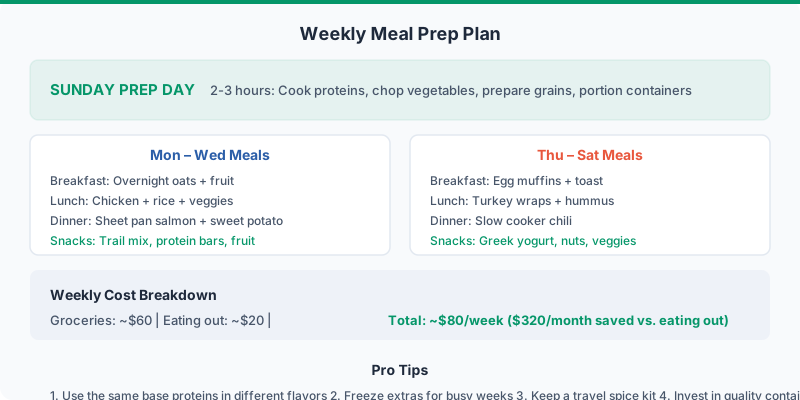
Not prepping shift food in advance. If it’s 5 AM and you’re packing your lunch while half asleep, you’ll grab whatever’s easiest — which is usually not the healthiest option. Prep all your shift food during your weekly meal prep session. When your alarm goes off, you grab the container and go.
Frequently Asked Questions
What should I eat before a 12-hour nursing shift?
Eat a balanced meal one to two hours before your shift starts that includes a palm-sized portion of protein like eggs or chicken, a serving of complex carbohydrates like oatmeal or sweet potato, and a source of healthy fat like avocado or nuts. This combination provides sustained energy for the first four to five hours of your shift. Avoid large greasy meals, high-sugar breakfasts, and skipping the pre-shift meal entirely, all of which lead to energy crashes.
How do I stay energized during a 12-hour shift without energy drinks?
Focus on eating smaller, protein-rich meals and snacks throughout the shift rather than one large meal. Pack snacks like protein bars, trail mix, apple slices with peanut butter, and hard-boiled eggs that you can eat in sixty seconds during busy periods. Stay hydrated with sixty-four to eighty ounces of water, and time your caffeine in the first half of the shift only. A ten-minute walk during a break, cold water on your face, and steady hydration all support alertness without the crash that comes from energy drinks.
What are the best shift snacks for nurses?
The best shift snacks combine protein and fiber for sustained energy. Top options include protein bars with at least fifteen grams of protein and under ten grams of sugar, homemade trail mix with almonds and dark chocolate chips, apple slices with individual peanut butter packets, cheese with whole grain crackers, hard-boiled eggs, and Greek yogurt cups. Build a non-perishable snack station in your work bag with protein bars and trail mix so you are never without backup fuel.
How do I pack food that stays good for a 12-hour shift?
Use an insulated lunch bag with one large ice pack or two small gel packs placed on top of your food containers. Pack meals that hold up well in a lunchbox for twelve-plus hours, such as grain bowls, wraps, and pasta salad. For units without reliable microwaves, an insulated food thermos keeps soups and stews hot for six to eight hours when pre-warmed with boiling water before filling. Keep dressings and sauces in separate small containers to prevent sogginess.
How much water should I drink during a 12-hour shift?
Aim for sixty-four to eighty ounces of water during a twelve-hour shift, which is roughly one full refill of a thirty-two-ounce water bottle every four hours. Drink steadily throughout the shift rather than in large amounts at once. On physically demanding days or when wearing PPE, add an electrolyte packet to one of your water bottles. Watch for signs of dehydration including headaches, dark urine, dry mouth, and difficulty concentrating, and drink sixteen ounces immediately if you notice them.
Key Takeaways
- Eat a balanced meal 1 to 2 hours before your shift starts
- Pack protein-rich snacks you can eat in 60 seconds for busy shifts
- Hydrate consistently — aim for 64 to 80 ounces during a 12-hour shift
- Time caffeine in the first half of your shift and cut it at least 5 hours before bed
- Keep mid-shift meals moderate in size and protein-forward
- Prep all shift food during your weekly meal prep session
- Pack a thermos for units without reliable microwaves
- Build a non-perishable snack station in your work bag
- Avoid vending machines, energy drinks, and the “I’ll just skip lunch” trap
- What you eat on shift directly affects your performance and how you feel afterward
Related Resources
- Travel Nurse Meal Prep: Complete Beginner Guide
- Night Shift Nutrition: What to Eat and When
- 10 Instant Pot Recipes for Travel Nurses
- Best Meal Prep Containers for Travel Nurses
- Travel Nurse Coffee Setup: Brew Better, Spend Less
- Slow Cooker Meals for Travel Nurses
- Travel Nurse Packing List
