
Grocery Budget Guide for Travel Nurses
Disclosure: Some links in this post are affiliate links. If you click through and make a purchase, we may earn a small commission at no extra cost to you. Learn more about how we make money.
Introduction
Here’s a number that might sting: the average American spends $475 per month on food away from home, according to the Bureau of Labor Statistics. For travel nurses living in unfamiliar cities, exhausted from 12-hour shifts, and surrounded by delivery app temptation, that number climbs even higher. I’ve talked to nurses who spent $700 or more per month on food during their first assignment simply because they didn’t have a plan.
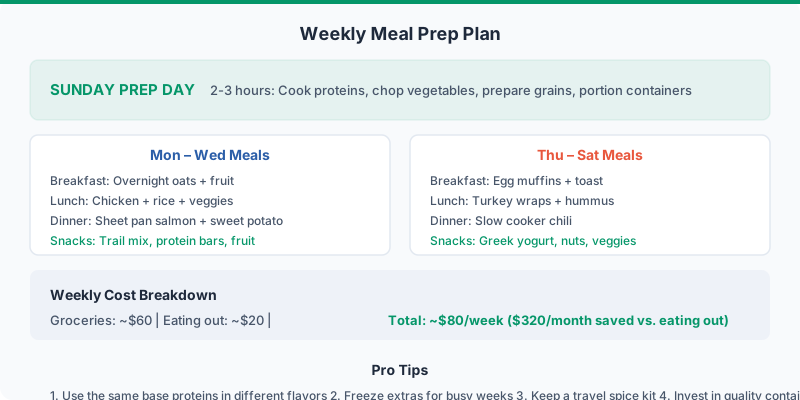
Grocery spending is one of the most controllable line items in your travel nurse budget. You can’t negotiate your rent mid-lease or change your car payment, but you can absolutely decide how much goes toward food each week. With a strategy, you can eat well — actually well, not rice-and-beans-every-day well — for $50 to $75 per week in most cities. This guide shows you how.
For broader money-saving strategies beyond groceries, check out our guide to saving money as a travel nurse.
Setting a Realistic Grocery Budget
Before you set a number, understand where you’re starting. Track what you spend on food for one full week — groceries, dining out, coffee stops, vending machines, everything. Most people are surprised by the total.
Target ranges by budget level:
- Tight budget: $40 to $55 per week ($160 to $220 per month). Requires consistent meal prep, minimal dining out, and strategic shopping. Very doable but leaves little room for spontaneous meals.
- Moderate budget: $55 to $75 per week ($220 to $300 per month). Comfortable meal prep with room for one or two meals out per week. This is the sweet spot for most travel nurses.
- Flexible budget: $75 to $100 per week ($300 to $400 per month). Meal prep plus regular dining out and specialty ingredients. Comfortable but still far less than eating out for every meal.
How location affects costs. Groceries in San Francisco, New York, or Honolulu can cost 30 to 50 percent more than the same items in Memphis, Oklahoma City, or Omaha. Adjust your budget when you move to a higher-cost city, and enjoy the savings when you land somewhere affordable.
Stipend allocation. Many travel nurses allocate their meals and incidentals (M&IE) stipend specifically toward food. Know your stipend amount and build your grocery budget around it. If your weekly stipend covers $75 in food, that’s your target.
Best Grocery Stores for Travel Nurses
Not all grocery stores are created equal, and the best store depends on what’s available in your assignment city.
Aldi is the budget king. Prices run 20 to 40 percent lower than traditional grocery stores. The selection is smaller, which actually makes shopping faster. Produce quality varies by location, but their staples — eggs, chicken, rice, canned goods, frozen vegetables — are consistently cheap. If there’s an Aldi near your apartment, make it your primary store.
Walmart is everywhere, and their grocery prices are competitive. The Walmart app lets you order ahead for pickup, which saves time and reduces impulse buys. Great for one-stop shopping when you also need household supplies.
Costco shines for bulk buying proteins and pantry staples. A membership costs $65 per year. If you’re buying chicken breast, ground turkey, rice, and oats in bulk over a 13-week assignment, the membership pays for itself within the first month. The catch: you need storage space, and fresh produce comes in large quantities that may go bad before you use it.
Trader Joe’s has excellent pre-marinated meats, frozen meals, and specialty items at reasonable prices. Their frozen food section is a travel nurse secret weapon — frozen cauliflower rice, pre-cooked grains, and individual frozen meals work as backup options on days you didn’t prep.
Local discount stores like WinCo, Grocery Outlet, or regional chains often beat national stores on price. Ask your coworkers at the hospital where they shop. Local knowledge is valuable.
The Weekly Grocery List Template
Here’s a baseline shopping list that supports a full week of meal prep. Adjust based on your dietary preferences and what’s on sale.
Proteins ($12 to $20):
- 3 lbs chicken thighs or breast
- 1 dozen eggs
- 1 lb ground turkey or beef
- 1 can black beans and 1 can chickpeas
Complex carbs ($5 to $8):
- 2 lbs rice (buy a large bag monthly and portion weekly)
- 1 canister oats
- 3 to 4 sweet potatoes
Vegetables ($8 to $12):
- 2 bags frozen broccoli or stir-fry mix
- 1 head of fresh broccoli or a bag of spinach
- Bell peppers (2 to 3)
- Onions (3 to 4)
- Carrots (1 lb bag)
Fruits ($4 to $7):
- Bananas
- Apples or seasonal fruit
- 1 bag frozen berries (for oatmeal or smoothies)
Pantry staples (buy once per assignment, $15 to $25 total):
- Olive oil
- Soy sauce
- Hot sauce
- Salt, pepper, garlic powder, cumin, chili powder, paprika
- Chicken or vegetable broth (cartons)
Snacks and extras ($5 to $8):
- Greek yogurt (large tub)
- Cheese (block, not pre-shredded — it’s cheaper)
- Peanut butter or almond butter
- Trail mix or almonds
Weekly total: approximately $45 to $65 depending on your city, store, and what’s on sale.
Bulk Buying: What to Buy and What to Skip
Bulk buying saves money on the right items and wastes money on the wrong ones.
Worth buying in bulk:
- Rice (10 to 20 lb bags save significantly per pound)
- Oats (large canisters or bulk bins)
- Frozen chicken breast or thighs (Costco’s 6 lb bags)
- Canned goods (beans, tomatoes, broth)
- Frozen vegetables (they last months and are just as nutritious as fresh)
- Cooking oil
Skip buying in bulk:
- Fresh produce you can’t eat within a week (it wilts, browns, or molds)
- Specialty sauces or condiments you haven’t tried before
- Bread (unless you freeze it immediately)
- Dairy beyond what you’ll use in 7 to 10 days
The Costco membership math: A 13-week assignment buying $30 per week in bulk staples at Costco saves roughly $150 to $200 over that period compared to buying the same items at a regular grocery store. The $65 membership fee pays off by week five or six.
Meal Planning to Reduce Waste
Food waste is money in the trash. The USDA estimates the average American household throws away $1,500 worth of food per year. For a solo travel nurse buying smaller quantities, the waste percentage can be even higher if you’re not careful.
Plan meals before shopping. Write down what you’ll eat for the week, then create your list from that plan. Don’t buy ingredients “in case” you want them. Buy what the plan requires.
Use overlapping ingredients. If you’re making chicken rice bowls and chicken tortilla soup, buy chicken in one large batch instead of two small packages. If your soup needs onions and your stir-fry needs onions, you only buy one bag.
First-in, first-out in the fridge. When you unpack groceries, move older items to the front. Use what you already have before opening new packages.
Freeze before it spoils. Bananas turning brown? Freeze them for smoothies. Bread going stale? Freeze it for toast. Chicken you won’t cook by day three? Freeze it raw for next week. Getting comfortable with your freezer is the single best way to reduce waste.
Creative leftover meals. Leftover roasted vegetables become a frittata. Leftover rice becomes fried rice. Leftover chicken becomes soup. Think of leftovers as ingredients, not as old food.
Eating Healthy on a Tight Budget
Healthy eating and budget eating are not mutually exclusive. Some of the most nutritious foods are also the cheapest.
Frozen vegetables are just as nutritious as fresh. They’re flash-frozen at peak ripeness, which preserves vitamins and minerals. A bag of frozen broccoli costs $1.50 and lasts for weeks. Fresh broccoli costs $2.50 and lasts four days. The math is simple.
Eggs are the best value protein. At $3 to $5 per dozen (prices vary by region), eggs deliver about 6 grams of protein each with complete amino acids. That’s roughly $0.30 per serving of protein. Hard-boil a batch for shift snacks.
Beans and lentils cost pennies per serving. A $1 can of black beans provides about 4 servings of 7 grams of protein each. Dry lentils are even cheaper. These are the backbone of budget meal prep, and your Instant Pot cooks them perfectly.
Seasonal produce saves money. Strawberries in June cost half what they cost in January. Learn what’s in season in your assignment region and buy accordingly. Farmer’s markets near closing time often sell produce at steep discounts.
Store brand vs. name brand. For staples like canned tomatoes, rice, oats, frozen vegetables, and cooking oil, store brands are virtually identical to name brands. The only difference is the label and the price. Aldi’s entire model is built on this principle.
Dining Out Strategically
Budget eating doesn’t mean never eating out. It means being intentional about when and where you do.
Set a separate dining-out budget. Keep it distinct from your grocery budget. If your total food budget is $300 per month, allocate $240 to groceries and $60 to dining out. That’s about one meal out per week, which feels reasonable and enjoyable rather than restrictive.
Explore your assignment city through food. Part of the travel nurse experience is discovering new places. Use your dining-out budget for local restaurants you can’t get at home. Skip the chains — you can eat at Chili’s anywhere.
Happy hour and lunch specials. Many restaurants offer significantly lower prices during happy hours or at lunch. A $22 dinner entree might be $14 at lunch. Same food, lower price.
Cook with travel nurse friends. Potluck dinners or group cooking sessions split the cost and add social connection to your meal routine. This is especially valuable during the first weeks of an assignment when you’re building relationships.
Grocery Delivery and Pickup
When you’re working three 12-hour shifts in a row, the last thing you want to do on your precious time off is wander through a grocery store. Delivery and pickup services earn their fees for busy nurses.
Walmart pickup is free with a $35 minimum order. You shop on the app, schedule a time, and they load the bags into your car. This is the most budget-friendly option because there’s no delivery fee or tip.
Instacart delivers from most local stores. The service fee and tip add $7 to $15 per order. Worth it on weeks when you physically cannot get to the store, but not sustainable as your primary shopping method if you’re watching your budget.
Amazon Fresh is free for Prime members with orders over $50 in eligible areas. If you already pay for Prime, this is a solid option.
The impulse-buying benefit. Online grocery ordering has a hidden advantage: you don’t impulse-buy when you can’t see the end-cap displays and checkout candy. Many nurses report spending 10 to 15 percent less when ordering online versus shopping in-store.
Tracking Your Spending
You can’t manage what you don’t measure. Pick a tracking method and use it consistently.
Simple options:
- The Notes app on your phone with a running weekly total
- A spreadsheet (Google Sheets works great and syncs across devices)
- Save your receipts in an envelope and add them up weekly
App-based tracking:
- YNAB (You Need a Budget) is excellent for envelope-style budgeting where every dollar has a job
- Mint links to your bank accounts and categorizes spending automatically
- Copilot is a newer option with a clean interface and automatic categorization
Weekly review. Spend five minutes each week reviewing what you spent. Are you hitting your target? If not, where did the overspending happen? Was it groceries or dining out? Adjust the next week accordingly.
Tax consideration. Travel nurses may need to track food spending for tax purposes, especially if you’re maintaining a tax home and claiming deductions. Keep your receipts or maintain a digital record. Consult a travel nurse tax professional for specifics.
Frequently Asked Questions
How much should a travel nurse spend on groceries per week?
A realistic target is fifty to seventy-five dollars per week in most cities, which translates to two hundred to three hundred dollars per month. This range supports consistent meal prep with room for one or two meals out per week. Adjust upward by twenty to thirty percent in high-cost cities like San Francisco or New York, and enjoy the savings in more affordable markets. Your meals and incidentals stipend is a good benchmark for setting your food budget.
Is a Costco membership worth it for a 13-week assignment?
Yes, in most cases. A Costco membership costs sixty-five dollars per year, and buying proteins, rice, oats, and frozen vegetables in bulk saves roughly one hundred fifty to two hundred dollars over a thirteen-week assignment compared to regular grocery store prices. The membership typically pays for itself by week five or six. The only caveat is that you need enough freezer and storage space to handle bulk quantities.
How do travel nurses save money on food in expensive cities?
Focus on the fundamentals: buy frozen vegetables instead of fresh, choose store-brand staples over name brands, plan meals before shopping to reduce waste, and cook at home consistently. Shopping at discount stores like Aldi or Walmart instead of premium groceries makes a significant difference. Using Walmart pickup or online ordering also reduces impulse purchases, which many nurses report saves ten to fifteen percent on each shopping trip.
What are the cheapest high-protein foods for meal prep?
Eggs are the best value protein at roughly thirty cents per serving with complete amino acids. Canned beans and dry lentils cost pennies per serving and provide both protein and fiber. Chicken thighs bought in bulk at Costco offer excellent protein per dollar, and Greek yogurt in large tubs is more cost-effective than individual cups. Building your meal prep around these affordable proteins keeps your grocery bill low without sacrificing nutrition.
Should I use grocery delivery as a travel nurse?
Grocery delivery can be worth the convenience fee on weeks when you are working three consecutive twelve-hour shifts and cannot get to the store. Walmart pickup is the most budget-friendly option because it is free with a thirty-five dollar minimum order. Reserve paid delivery services like Instacart for weeks when time is genuinely scarce, and do your primary shopping in-store or via free pickup to keep costs down.
Key Takeaways
- Set a weekly grocery target ($50 to $75 covers most nurses in most cities)
- Shop at Aldi, Costco, or Walmart for the best value
- Plan your meals before you shop — a list prevents waste and overspending
- Buy proteins, grains, and frozen vegetables in bulk
- Frozen vegetables are just as nutritious as fresh and far cheaper
- Eggs, beans, and lentils are the highest-value proteins available
- Budget separately for dining out so you enjoy it without guilt
- Track your spending weekly and adjust as needed
- Use Walmart pickup to save time without paying delivery fees
- Over a 13-week assignment, smart grocery shopping can save you $1,000 or more
Related Resources
- Travel Nurse Meal Prep: Complete Beginner Guide
- 10 Instant Pot Recipes for Travel Nurses
- Healthy Shift Meals: What to Eat During 12-Hour Shifts
- Compact Kitchen Gear for Travel Nurses
- How to Save Money as a Travel Nurse
