
Compact Kitchen Gear for Travel Nurse Apartments
Disclosure: Some links in this post are affiliate links. If you click through and make a purchase, we may earn a small commission at no extra cost to you. Learn more about how we make money.
Cook Real Meals Without a Real Kitchen
Travel nurse apartments come furnished, which sounds better than it usually is. The kitchen typically includes a stove, a microwave, a refrigerator, and a few pots and pans of questionable vintage. Maybe a can opener. Maybe a spatula. Rarely anything you would actually want to cook with.
This gap between “furnished” and “functional” is where most travel nurses either resign themselves to takeout and frozen meals or invest in a small collection of compact kitchen gear that transforms any apartment kitchen into a space where real cooking happens. The second option saves you hundreds of dollars per assignment, keeps you eating healthier on demanding shift schedules, and gives you one more piece of normalcy in a temporary living situation.
The key is portability. Everything in your travel kitchen needs to pack easily, survive repeated moves, and earn its space in your car or luggage. Here is what makes the cut.
The Multi-Function Pressure Cooker: Your Best Friend
If you bring only one kitchen appliance to your assignment, make it a multi-function electric pressure cooker. Nothing else comes close in terms of versatility-to-size ratio for a travel nurse kitchen.
A three-quart model is the sweet spot for solo cooking and meal prep. It fits easily in a car trunk or suitcase, weighs around eight pounds, and replaces a slow cooker, a rice cooker, a steamer, and a saute pan. The six-quart size works better if you meal prep in large batches or cook for a partner, but it takes up noticeably more packing space.
The practical advantage for shift workers is time. You can throw ingredients in before a shift, set a delayed start, and come home to a finished meal. Soups, stews, chili, rice, beans, shredded chicken, steel-cut oats, and dozens of other staples cook with minimal hands-on time. After a twelve-hour shift, the difference between “dinner is ready” and “I need to start cooking” is the difference between eating well and ordering delivery.
When packing your pressure cooker between assignments, nest smaller items inside the pot: measuring cups, a small cutting board, spice containers, and utensils all fit inside with room to spare.
Compact Blender Options
A personal-sized blender earns its packing space for nurses who rely on smoothies, protein shakes, or blended soups.
Look for a single-serve blender with a blending cup that doubles as a travel cup. The best models blend directly in the cup you drink from, which eliminates extra dishes and makes morning smoothie prep a two-minute task. Motor power matters: seven hundred watts or more handles frozen fruit, ice, and fibrous greens without struggling.
For travel nurses, the single-serve format is ideal. Full-size blenders are too bulky to justify packing, and their large pitchers take up valuable counter space in small apartment kitchens. A personal blender fits in a packing cube, weighs under three pounds, and does everything a travel nurse needs a blender to do.
Post-shift smoothies with protein powder, frozen fruit, and greens are one of the fastest ways to get quality nutrition after a long shift when cooking feels like too much effort.
Essential Knife and Cutting Board
One good knife does more work than a drawer full of cheap ones. Pack a single eight-inch chef’s knife with a quality blade guard, and you have everything you need for meal prep.
A sharp, well-balanced chef’s knife handles chopping, slicing, dicing, and mincing across vegetables, proteins, and herbs. The blade guard is critical for safe packing. It protects the blade edge from damage in transit and protects everything else in your bag from the blade.
Pair the knife with a compact, lightweight cutting board. A thin, flexible board rolls or stacks flat and takes up negligible space. Avoid glass cutting boards, which are heavy and hard on knife edges. A plastic or composite board is light, easy to clean, and cheap to replace if it gets stained or warped.
If you are not confident in your knife skills, a compact mandoline slicer can speed up vegetable prep significantly. Just invest in a cut-resistant glove, because mandoline injuries are no joke, especially for a nurse who needs functional hands on the unit.
Space-Saving Cookware
Nesting cookware sets are designed for exactly this use case. A set that includes a small saucepan, a medium pot, and a skillet that all nest inside each other takes up the space of a single pot in your bag.
The skillet is the most versatile piece. A ten-inch nonstick skillet handles eggs, sautes, stir-fries, pancakes, and basic one-pan meals. If you only bring one piece of cookware beyond your pressure cooker, make it this.
A collapsible silicone colander is a clever space-saver that flattens to about an inch thick. Stackable measuring cups and spoons that nest together replace bulky sets. A silicone spatula, a wooden spoon, and a pair of tongs round out your essential utensils without taking up much room.
Regarding material: nonstick coatings make cleaning faster and require less oil, which matters when you are cooking quickly between shifts. Stainless steel is more durable for long-term use and handles higher heat. For most travel nurses, a nonstick skillet paired with a stainless steel saucepan from a nesting set covers all bases.
Small Appliances Worth Packing
Beyond the pressure cooker, a few other small appliances may earn their packing space depending on your cooking habits.
An electric kettle boils water faster than a stovetop and uses less energy. It is useful for tea, pour-over coffee, instant oatmeal, ramen, and any recipe that starts with boiling water. A compact one-liter kettle packs easily and weighs under two pounds.
A compact air fryer in the two-to-three-quart size produces crispy food with minimal oil and reheats leftovers far better than a microwave. If you eat a lot of roasted vegetables, chicken, or reheated meal prep, an air fryer is worth the trunk space. Some models double as a toaster oven, which adds versatility.
A coffee maker or French press is essential if coffee is part of your daily routine. A French press is compact, requires no filters, and makes excellent coffee. A small drip coffee maker is more convenient for pre-shift mornings when you want coffee ready the moment you walk into the kitchen. Choose based on whether you value coffee quality or morning convenience more.
A rice cooker makes sense if rice is a staple of your meal prep. However, most multi-function pressure cookers include a rice function, so check yours before adding a separate appliance.
Food Storage and Organization
Good food storage containers are the backbone of meal prep, and for travel nurses, they also need to pack well.
A set of ten stackable, microwave-safe containers with locking lids covers a full week of meal prep. Look for containers that are BPA-free, freezer-safe, dishwasher-safe, and nest when empty. Glass containers are heavier but do not stain or absorb odors. Plastic containers are lighter and pack more easily but may need replacing more often.
Reusable silicone bags replace disposable zip-lock bags for snacks, marinating, and freezer storage. They cost more upfront but eliminate a recurring purchase across assignments.
For pantry organization in small apartment kitchens, over-cabinet hooks and a small magnetic spice rack use vertical space that is otherwise wasted. A lazy Susan in the pantry or on the counter organizes oils, vinegars, and frequently used items so you can access them quickly without digging.
What Your Apartment Usually Provides (and What It Lacks)
Knowing what to expect from a furnished apartment kitchen helps you pack smart. Here is the typical reality.
Usually provided: basic pots and pans (often scratched and worn), a few plates and bowls, glasses and mugs, flatware, a can opener, and maybe a coffee maker. The quality ranges from adequate to genuinely unpleasant to use.
Almost never provided: a sharp knife, a cutting board worth using, quality nonstick cookware, meal prep containers, a blender, spices, dish soap, sponges, dish towels, and paper towels.
Confirm before you pack: Contact your housing provider and ask specifically what is in the kitchen. Some furnished apartments include more than the basics, and some provide almost nothing. Knowing in advance prevents overpacking and prevents the frustration of arriving without essentials.
For a broader look at what to expect and bring to furnished housing, check our guide on what to bring to a furnished rental.
Portable Pantry Staples
Build a small portable pantry that travels with you between assignments. This saves the cost and time of restocking basics at every new location.
Pack salt, pepper, garlic powder, onion powder, cumin, Italian seasoning, paprika, and red pepper flakes in small, sealed containers. These eight spices cover the foundation for most everyday cooking. Add or swap based on your personal preferences and cuisine style.
Small bottles of olive oil and your preferred cooking vinegar travel well. Shelf-stable proteins like canned tuna, chicken, and beans provide immediate meal options before your first grocery run. A jar of peanut butter, a bag of rice, and a box of pasta round out a portable pantry that gives you cooking options the moment you arrive.
Store your portable pantry in a small bin that fits inside your pressure cooker or in a dedicated bag in your car. Having it organized and ready to pack means less setup time at every new assignment.
Cleaning Supplies to Bring
Travel nurse apartment kitchens need a thorough cleaning on arrival, no matter how clean they appear. Bring a small bottle of dish soap, two or three sponges, two dish towels, and a compact drying rack.
Clean the kitchen thoroughly before you cook in it for the first time. Wipe down counters, clean the inside of the microwave, and wash any provided cookware and dishes. You do not know the cleaning habits of the previous occupant, and starting with a clean kitchen sets the tone for the assignment.
When you leave, clean everything to the standard you would want to find. Many travel nurses in the same city will rotate through the same furnished apartments, and leaving a clean kitchen is both courteous and practically helpful for whoever follows you.
Frequently Asked Questions
What is the best kitchen appliance for travel nurses?
A multi-function electric pressure cooker is the single most recommended kitchen appliance in the travel nurse community. A three-quart model weighs about eight pounds, fits in a car trunk or suitcase, and replaces a slow cooker, rice cooker, steamer, and saute pan. It lets you set a delayed start before a shift and come home to a finished meal, which is invaluable after a twelve-hour day when cooking from scratch feels impossible.
Should I bring kitchen gear or buy it at each assignment?
Bring a small core kit of durable items you will use at every assignment: a pressure cooker, a good knife with a blade guard, a cutting board, meal prep containers, and your favorite spices. Buy consumables like dish soap, sponges, paper towels, and pantry staples on arrival and donate leftovers when you leave. This hybrid approach keeps your packing manageable while ensuring you always have functional kitchen tools from day one.
What kitchen items do furnished apartments usually provide?
Furnished apartments typically include basic pots and pans, plates, bowls, glasses, flatware, and sometimes a can opener or coffee maker. The quality ranges from adequate to genuinely unpleasant. Sharp knives, quality nonstick cookware, cutting boards, blenders, meal prep containers, spices, dish soap, and sponges are almost never provided. Contact your housing provider before you pack to find out exactly what is included so you can plan accordingly.
How do I pack kitchen gear without it taking too much space?
Nesting is the key strategy. Pack measuring cups, spice containers, utensils, and a small cutting board inside your pressure cooker pot. Use nesting cookware sets where the skillet, saucepan, and pot stack inside each other. Choose collapsible tools like silicone colanders and stackable measuring cups that fold flat. Store your portable pantry spices in a small bin that fits inside the pressure cooker or in a dedicated bag.
Is an air fryer worth packing for assignments?
A compact two-to-three-quart air fryer is worth the trunk space if you eat a lot of roasted vegetables, chicken, or reheated meal prep. Air fryers produce crispy food with minimal oil and reheat leftovers far better than a microwave. Some models double as a toaster oven, adding extra versatility. If packing space is tight, prioritize the pressure cooker first and add the air fryer only if you have room.
Key Takeaways
- A multi-function pressure cooker is the single best kitchen investment for travel nurses. It replaces multiple appliances, fits in a suitcase, and makes post-shift cooking effortless.
- One quality chef’s knife with a blade guard outperforms any cheap knife set a furnished apartment provides.
- Nesting cookware and collapsible tools maximize cooking capability while minimizing packing space.
- Build a portable pantry of spices and shelf-stable staples that travels with you. It saves money and ensures you can cook from the moment you arrive.
- Confirm your apartment’s kitchen inventory before you pack. Every furnished rental is different, and knowing what is provided prevents overpacking and underpacking.
- Clean the kitchen on arrival and on departure. It is a professional courtesy that makes temporary housing better for everyone.
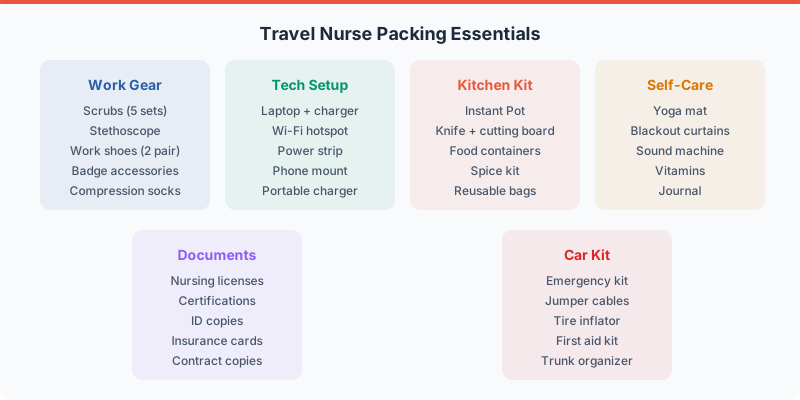
For the full list of everything to pack, see our ultimate travel nurse packing list.
Related Internal Links
Affiliate Placement Notes
- Multi-function pressure cooker affiliate link
- Personal blender affiliate link
- Nesting cookware set affiliate link
- Chef’s knife and cutting board affiliate links
- Air fryer and electric kettle affiliate links
- Meal prep container set affiliate link
